My Cart
ProductTotal

Oops, your cart is empty.
My Cart
ProductTotal
Oops, your cart is empty.
Oops, your cart is empty.
Oops, your cart is empty.

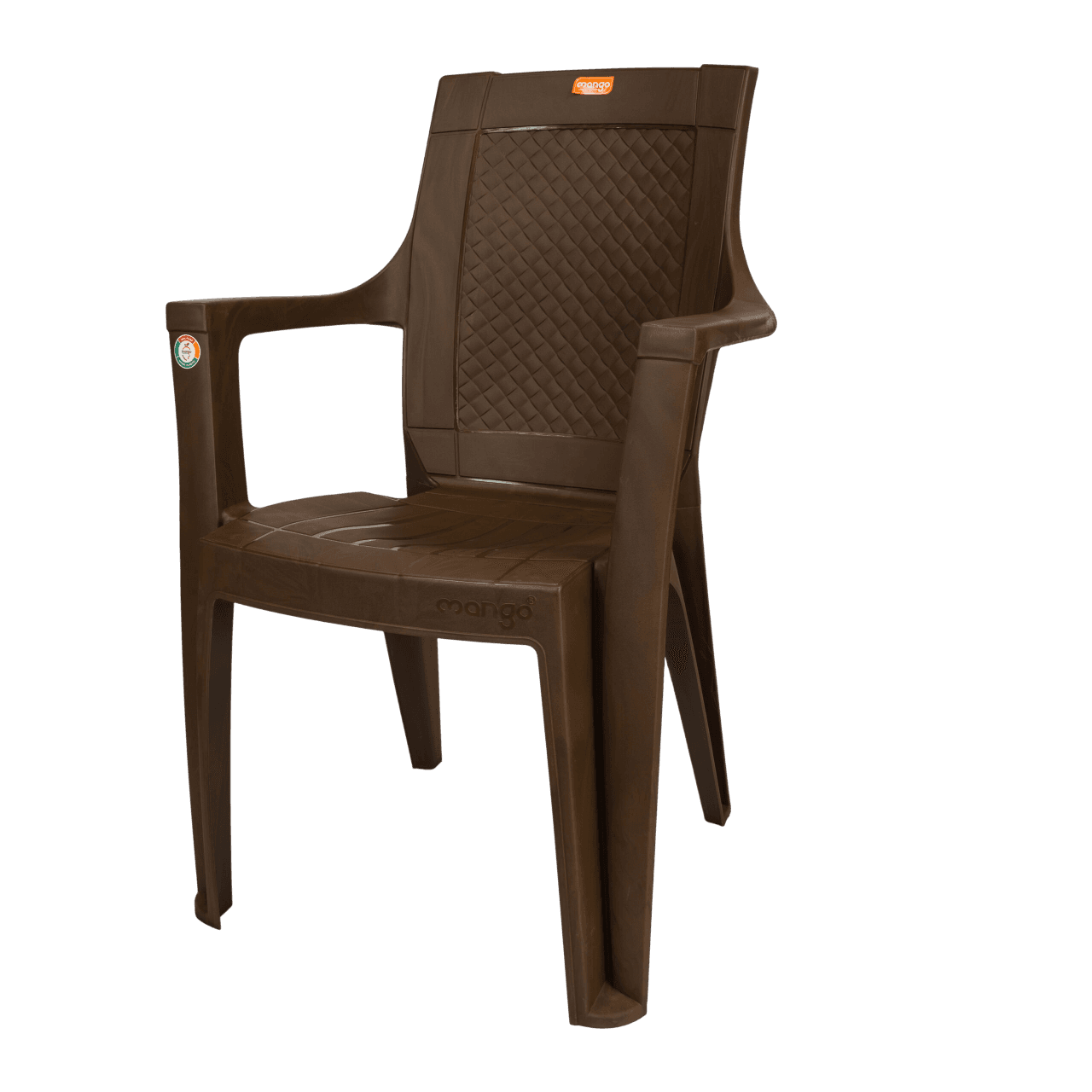
Furniture is one of the most essential elements that define the comfort, appearance, and functionality of every home. In the last decade, there has been a significant rise in the popularity of plastic furniture among Indian households. What was once seen as a basic, temporary option has now evolved into a durable, stylish, and practical solution for modern living spaces. From lightweight chairs to vibrant tables, plastic furniture now offers a balance of affordability, design, and reliability. As per a 2024 report by Mordor Intelligence, the Indian plastic furniture market is projected to grow at a CAGR of over 8.5% between 2024 and 2029, mainly driven by urban housing, modular furniture needs, and eco-conscious manufacturing. Whether it’s for indoor comfort or plastic outdoor furniture, today’s plastic designs bring together strength, convenience, and visual appeal, making them a practical fit for every home.
One of the most appreciated features of plastic furniture is its lightweight nature. Moving chairs, tables, or stools around the house becomes effortless, especially during cleaning or rearranging. Unlike wooden or metal furniture, which can be heavy and cumbersome, plastic items can be handled by anyone, including elderly family members or children. This flexibility makes plastic outdoor furniture an excellent option for terraces, gardens, or balconies.
Plastic furniture provides excellent value for money. It allows homeowners to furnish multiple areas, dining spaces, study rooms, and patios without stretching the budget. According to IndiaMART’s 2023 market data, plastic chair wholesaleprices start as low as ₹400 per unit, making them an affordable yet reliable choice for households and small businesses alike.
Plastic furniture performs exceptionally well in outdoor settings where wooden furniture may warp or metal furniture may rust. High-quality plastic outdoor furniture is designed to withstand heat, rain, and humidity, making it ideal for Indian climatic conditions. Unlike wood, plastic does not absorb moisture, and unlike metal, it does not corrode.
Maintenance is another area where plastic furniture truly excels. Cleaning wooden or upholstered furniture often requires specific products and time. Plastic furniture, however, only needs a quick wipe with a damp cloth to restore its shine. This ease of cleaning makes it perfect for homes with children or pets. Any spills, stains, or dust can be removed within seconds without leaving marks. For those who prefer outdoor living, plastic outdoor furniture can be hosed down easily after rain or dust storms, making it ready for use again in minutes.
Modern plastic furniture is no longer limited to plain and simple designs. With technological advancements, manufacturers are now producing vibrant, textured, and stylish models that complement both traditional and modern interiors. From dining tables and storage cabinets to stools and lounge chairs, the range of design options is impressive. Furniture brands such as Mango Chairs have introduced colour-coordinated sets that bring a fresh aesthetic to living rooms and patios.
While plastic products have long been criticised for environmental concerns, the furniture industry has taken remarkable steps toward sustainability. Many manufacturers now use recycled or biodegradable plastic materials to reduce waste and promote eco-conscious consumption. According to the Confederation of Indian Industry (CII), over 35% of plastic furniture manufactured in India in 2024 was made using recycled plastic. As a result, the latest lines of plastic outdoor furniture and home furnishings are both practical and responsible, aligning with India’s growing focus on sustainable living.
Plastic furniture is one of the safest choices for households with children or elderly members. Its smooth edges, rounded corners, and lightweight nature minimise the risk of injury. Unlike glass or metal, plastic doesn’t shatter or have sharp surfaces. Parents can let their children play around without worrying about damage or accidents.
8. Customisable and Space-Saving
The adaptability of plastic allows for modular and space-saving designs. Stackable chairs, foldable tables, and compact stools make plastic furniture an ideal option for apartments and small homes. These features not only help in optimising available space but also provide convenience during events or gatherings.
Plastic furniture effortlessly transitions from indoor to outdoor use. It works equally well in dining areas, balconies, terraces, or gardens. Because it is resistant to moisture, stains, and sunlight, you can maintain a consistent aesthetic throughout your home, both inside and out. In fact, many cafés and restaurants in India now prefer plastic outdoor furniture due to its durability and low maintenance costs, proof that its practicality extends beyond household settings.
Plastic furniture has transformed from a convenient option to a reliable lifestyle choice for modern households. It brings together durability, comfort, design flexibility, and cost-effectiveness, all while adapting to diverse home environments. Whether you’re furnishing a compact apartment, a family home, or an outdoor patio, plastic outdoor furniture offers a perfect blend of practicality and style. With designs evolving and sustainability taking centre stage, today’s plastic furniture proves that innovation and everyday living can go hand in hand. For those seeking reliable, affordable, and long-lasting solutions, it continues to stand out as a dependable choice. Combining thoughtful design and quality, Mango Chairs remains one of the most trusted names offering durable and stylish plastic furniture for Indian homes.
FAQs
Q. Why is plastic furniture preferred over wood or metal outdoors?
Plastic does not absorb moisture, preventing warping like wood, and resists corrosion, unlike metal. This makes it exceptionally durable in diverse climates.
Q. How much plastic furniture in India is currently made using recycled materials?
Over 35% of all plastic furniture manufactured in India in 2024 utilised recycled plastic. This aligns the sector with growing national sustainability goals.
Q. What is the projected growth rate for the Indian plastic furniture market?
The market is projected to grow at a Compound Annual Growth Rate (CAGR) of over 8.5% between 2024 and 2029, driven by urban and modular needs.
Q. How does plastic furniture’s lightweight nature benefit the elderly or children?
The low weight makes moving the furniture effortless. This flexibility allows elderly members and children to safely handle and rearrange items without strain.
Q. Beyond homes, what commercial spaces favour plastic outdoor furniture, and why?
Cafés and restaurants prefer it due to its durability, low maintenance, and ability to be easily cleaned or hosed down after rain or spills.
Your email address will not be published. Required fields are marked *