My Cart
ProductTotal

Oops, your cart is empty.
My Cart
ProductTotal
Oops, your cart is empty.
Oops, your cart is empty.
Oops, your cart is empty.

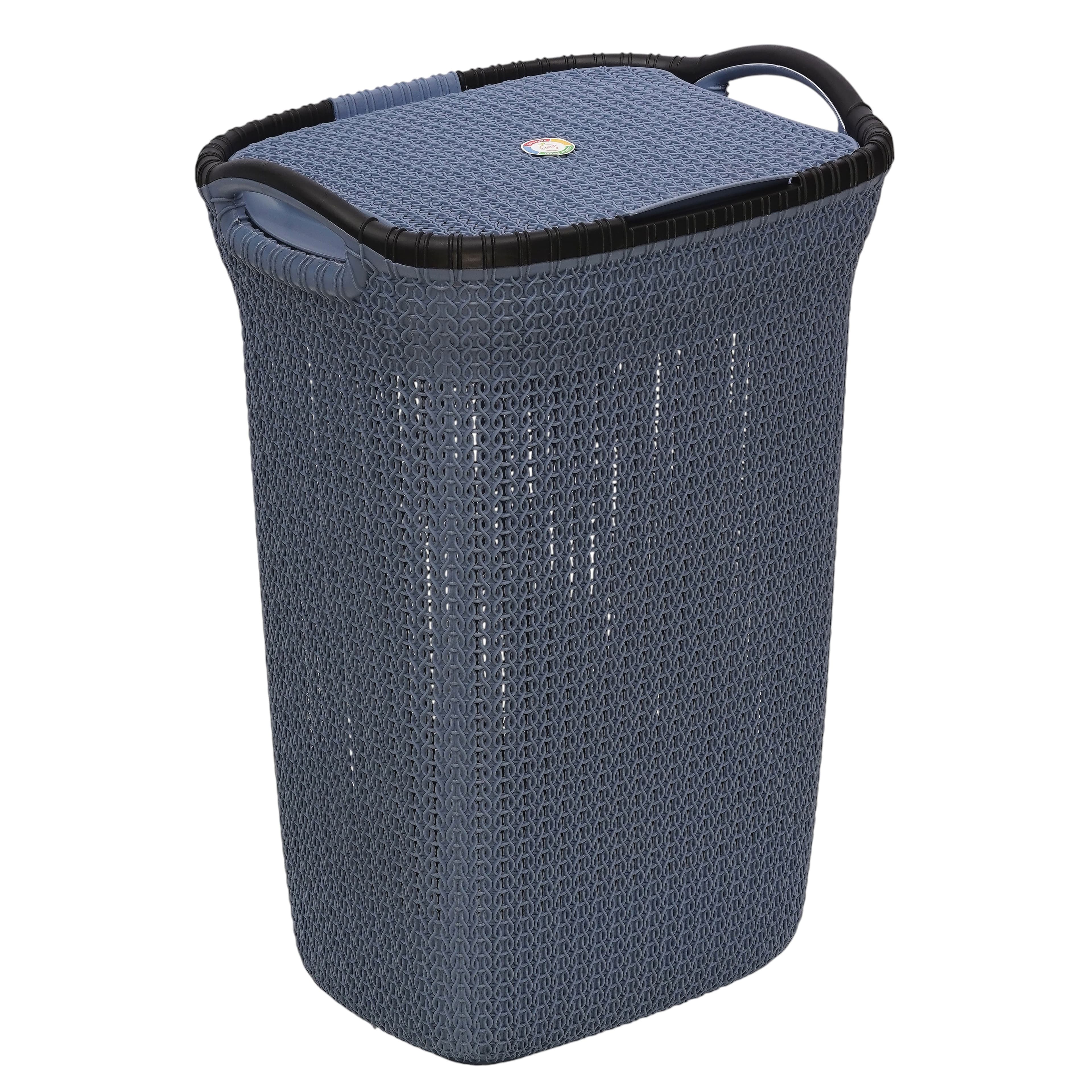
Retail demand for everyday home products has grown steadily across urban and semi-urban markets. From storage containers and buckets to stools and utility furniture, plastic household items continue to be essential for daily living. Their affordability, durability, and ease of use make them a constant requirement in homes, hostels, rental properties, and commercial spaces. For retailers, wholesale sourcing of these products plays a major role in maintaining consistent stock and competitive pricing. Understanding the wholesale plastic household items segment helps retailers make informed purchasing decisions, manage margins, and meet customer expectations in a fast-moving retail environment.
Plastic household items remain in constant demand because they cater to everyday needs. Items such as chairs, stools, storage boxes, laundry baskets, and kitchen utilities are regularly replaced due to wear or changing household requirements. Market observations show that customers often prioritise price, durability, and ease of maintenance over brand recognition in this category. For retailers, this means stocking products that offer visible value and practical use. Wholesale purchasing allows retailers to meet this demand consistently without frequent reordering.
A strong wholesale offering includes a wide range of plastic household items rather than focusing on a single product type. Customers visiting retail stores often look for multiple utility items at once. Stocking complementary products helps increase average purchase value. Retailers benefit from selecting wholesalers who offer a variety in sizes, colours, and designs, allowing them to cater to different customer segments. Plastic items used in kitchens, bathrooms, and living spaces each have distinct demand patterns that retailers should consider while planning inventory.
Material quality directly affects customer satisfaction and repeat sales. Plastic household items are commonly manufactured using polypropylene or similar polymers due to their strength and resistance to moisture. Retailers sourcing wholesale products should pay attention to thickness, finish, and structural balance. Poor-quality plastic may crack or deform quickly, leading to customer complaints and returns. Consistent quality from a wholesale supplier helps retailers build trust with buyers who expect products to last through daily use.
Wholesale pricing is a key factor for retailers operating in competitive markets. Bulk purchasing allows retailers to secure lower per-unit costs, which supports better margins even when retail prices remain competitive. Understanding pricing slabs, minimum order quantities, and transportation costs is essential. Retailers should evaluate not just the base price but also packaging efficiency and plastic household items and freight considerations, especially when dealing with large or bulky items like chairs and storage units.
Efficient packaging plays an important role in wholesale plastic household items. Stackable designs and compact packing reduce transportation costs and storage space requirements. Retailers benefit from suppliers who package products in a way that minimises damage during transit. Clear labelling and standardised bundles also help retailers manage inventory more effectively once the products reach their stores.
Demand for plastic household items often fluctuates with seasons. During summer months, outdoor seating, water storage, and utility items see higher demand. Festive seasons increase sales of storage and household organisation products. Retailers who understand these patterns can plan wholesale purchases accordingly, reducing the risk of overstock or shortages. Wholesale sourcing allows retailers to prepare in advance for peak demand periods without last-minute procurement challenges.
Plastic household items sold in retail markets are expected to meet basic safety and material standards. While household plastic products are generally non-regulated compared to food-contact items, customers are increasingly aware of material safety. Retailers should work with wholesalers who follow recognised manufacturing practices and quality checks. This reduces the risk of selling products that may fail under normal use or raise safety concerns.
For retailers, reliability of supply is as important as pricing. Regular availability, consistent quality, and timely delivery help retailers maintain uninterrupted sales. Building long-term relationships with wholesale suppliers reduces procurement risks and allows retailers to plan inventory with confidence. A dependable supplier becomes a key part of the retail supply chain rather than just a vendor.
Wholesale plastic household items form the backbone of everyday retail sales due to their constant demand and wide usage. Retailers who understand product quality, pricing structures, and supply reliability are better positioned to serve their customers effectively. By focusing on durable materials, balanced inventory planning, and dependable wholesale partnerships, retailers can maintain steady sales and customer trust. As the household utility segment continues to grow, informed sourcing decisions become increasingly important. Brands that support retailers with consistent supply and practical product ranges play a meaningful role in this ecosystem. Mango Chairs reflects this approach by offering wholesale plastic household items that align with real market needs and long-term retail success.
FAQs
Q. How does nesting ratio impact a retailer's overall shipping and storage costs?
High nesting ratios allow more units per cubic metre, significantly lowering freight costs and maximising warehouse shelf space for better profit margins.
Q. Why should retailers check for "stress whitening" marks on wholesale plastic samples?
White marks at joints indicate low-grade plastic or poor moulding, signalling the product will likely snap under pressure and lead to customer returns.
Q. What is the benefit of stocking "virgin" versus "recycled" plastic household goods?
Virgin plastic offers better colour consistency and load-bearing strength, which is vital for high-visibility items like chairs or premium kitchen storage bins.
Q. How do regional climate variations affect the inventory planning of plastic items?
Retailers in high-UV areas should prioritise heat-stabilised plastics, as standard wholesale items may become brittle and crack faster in extreme tropical heat.
Q. Can specific colours in plastic products influence a retailer's stock turnover rates?
Yes, neutral tones usually have steady year-round demand, while vibrant colours often peak seasonally, requiring careful batch ordering to avoid stagnant dead stock.
Your email address will not be published. Required fields are marked *