
My Cart
ProductTotal

Oops, your cart is empty.
My Cart
ProductTotal
Oops, your cart is empty.
Oops, your cart is empty.
Oops, your cart is empty.

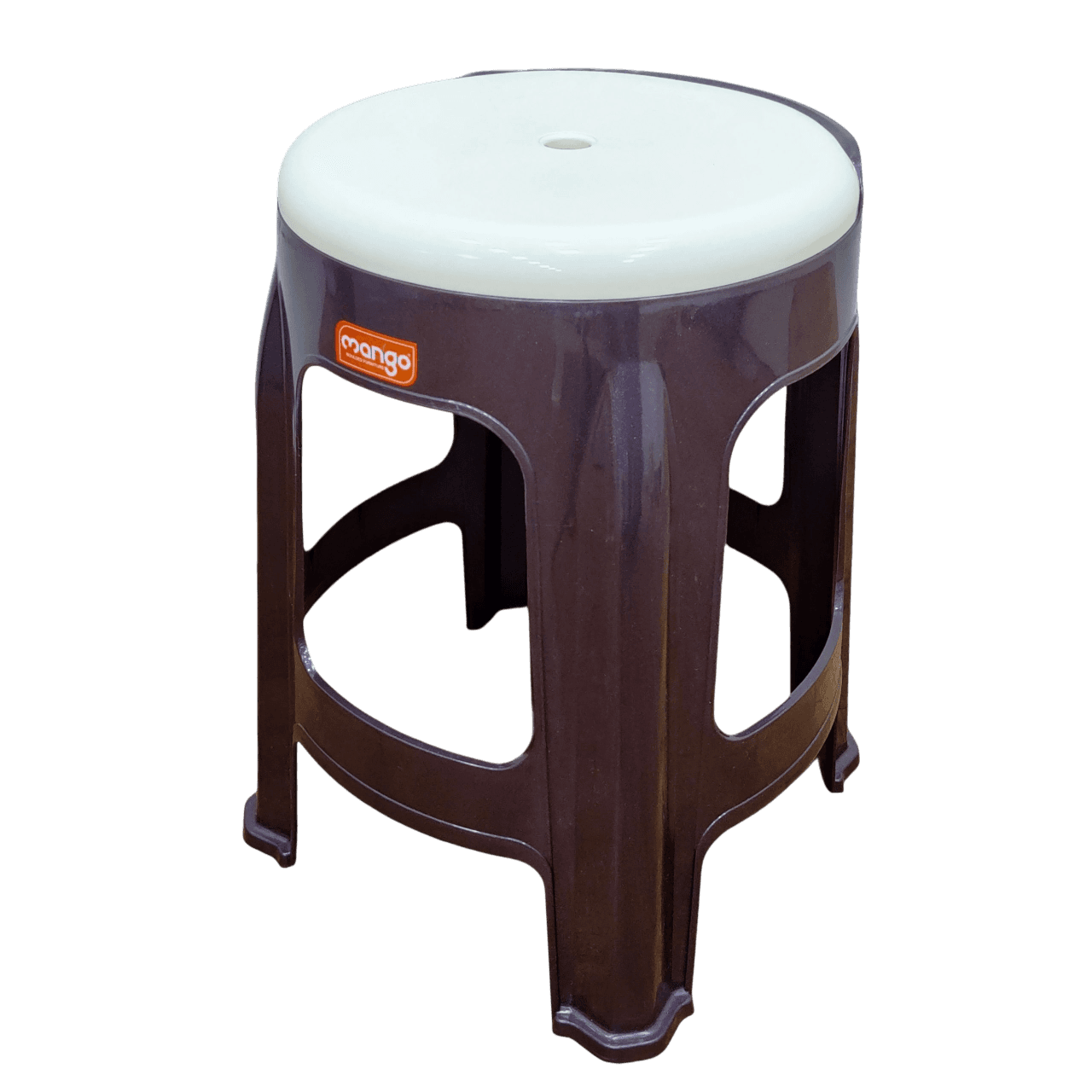
Home decor today is shaped by practicality as much as appearance. People look for furniture that fits modern lifestyles, adapts to changing needs, and remains easy to maintain over time. With compact homes, flexible living spaces, and frequent rearrangement of interiors, lightweight furniture has become increasingly relevant. Seating pieces that can move between rooms, support daily use, and still look presentable play an important role in this shift. Plastic stools have gradually found their place in contemporary homes because they combine durability with visual simplicity. When designed thoughtfully, they blend into interiors without looking temporary or out of place, making them a useful addition to everyday home decor. Plastic stools are no longer limited to outdoor corners or utility spaces. Their role within home interiors has expanded, supported by improved materials and refined designs. A well-designed plastic stool can function as seating, a side surface, or even an accent piece, depending on the space it occupies. This versatility makes it a practical decor element rather than just an extra chair.
Over the past decade, plastic furniture has seen a shift in perception. Earlier associated mainly with outdoor or temporary use, it is now widely accepted indoors as well. Industry observations indicate that urban households increasingly prefer furniture that is lightweight and adaptable. A plastic stool fits this requirement well. It can be moved easily, stored when not in use, and placed wherever extra seating is needed. This flexibility aligns with modern homes where rooms often serve multiple purposes.
Design plays a major role in how a plastic stool contributes to home decor. Contemporary stools are created with clean shapes, smooth finishes, and balanced proportions. These features allow them to blend with different interior styles, from minimal to casual family settings. Neutral tones suit living rooms and bedrooms, while brighter colors add character to kitchens or children’s rooms. Because plastic can be molded precisely, stools often have rounded edges and uniform surfaces that appear neat and intentional within a space.
Comfort remains essential, even for compact seating. A well-made plastic stool offers stable support through balanced leg placement and a seat height suitable for everyday tasks. Whether used while changing footwear near the entrance, sitting briefly in the kitchen, or accommodating guests, it serves its purpose without discomfort. Many plastic stools are designed to support regular adult weight, making them reliable for daily use rather than occasional seating alone.
One of the strongest advantages of a plastic stool is its lightweight construction. In homes where furniture is rearranged often, this becomes especially useful. The stool can shift from living room to balcony, from bedroom to study, without effort. This ease of movement allows homeowners to adjust seating based on gatherings, cleaning routines, or daily activities. It also supports compact living, where furniture needs to adapt quickly without adding clutter.
Maintenance requirements influence long-term decor choices. Furniture that demands constant care often becomes inconvenient over time. Plastic stools are easy to clean with water and mild cleaning agents, making them suitable for homes with children or pets. Their non-porous surface prevents absorption of spills, reducing the risk of stains and odors. This quality helps maintain a clean appearance even with regular use, which supports a tidy and organized home environment.
Many homes include semi-outdoor areas such as balconies, utility spaces, or covered terraces. A plastic stool works well across these zones without the worry of moisture damage. Its resistance to humidity allows occasional outdoor use without affecting structure or appearance. This flexibility allows homeowners to maintain visual consistency between indoor and semi-outdoor decor while using the same furniture pieces across spaces.
Budget considerations often influence decor decisions. Plastic stools offer a cost-effective seating option without compromising usability. Their durability reduces the need for frequent replacement, which supports long-term value. Compared to heavier furniture that may require repairs or refinishing, plastic stools remain functional with minimal upkeep. This balance between cost and performance makes them suitable for both first homes and evolving family spaces.
Styling a plastic stool within home decor depends on placement and color coordination. Used beside a sofa, it can serve as a casual side seat. In bedrooms, it works as a temporary surface for daily essentials. In dining areas, it provides extra seating when needed. Because of their simple form, plastic stools adapt easily without overpowering existing decor elements. This understated presence helps maintain visual balance across rooms.
Home decor choices increasingly reflect the need for flexibility, ease of use, and lasting value. A plastic stool fits naturally into this approach by offering dependable seating that adapts to different spaces and daily routines. Its lightweight build, simple maintenance, and functional design allow it to support modern living without demanding constant attention. As homes continue to evolve into multipurpose environments, such furniture pieces remain relevant and useful. Brands that focus on practical design and consistent quality contribute meaningfully to this shift. Mango Chairs represents this direction by offering plastic stools that align with everyday home decor needs while remaining reliable and visually balanced over time.
FAQs
Q. Is it safe to place plastic stools on heated indoor floors?
Yes, but ensure the stool has legs to allow airflow; flat-bottomed designs can trap heat, potentially reducing underfloor heating efficiency or warping the plastic.
Q. How do I prevent bright-coloured stools from fading near sunny windows?
Position stools away from direct afternoon sun or apply a clear UV-protective spray to maintain pigment vibrancy against indoor light exposure and "chalking".
Q. Can stacking stools cause permanent surface damage to the finish?
Frequent stacking can cause "stress crazing" or scratches; always wipe away grit and ensure stools are dry before stacking to preserve the smooth surface.
Q. What is the difference between "recyclable" and "eco-friendly" plastic stools?
"Recyclable" means the material can be repurposed, while "eco-friendly" often implies the stool was manufactured using post-consumer recycled content, like diverted ocean plastics.
Q. Why do some plastic stools feel "chalky" after several years?
This is caused by polymer degradation from UV light; a mixture of vinegar and water can temporarily restore shine, but regular cleaning prevents this buildup.
Your email address will not be published. Required fields are marked *