
My Cart
ProductTotal

Oops, your cart is empty.
My Cart
ProductTotal
Oops, your cart is empty.
Oops, your cart is empty.
Oops, your cart is empty.

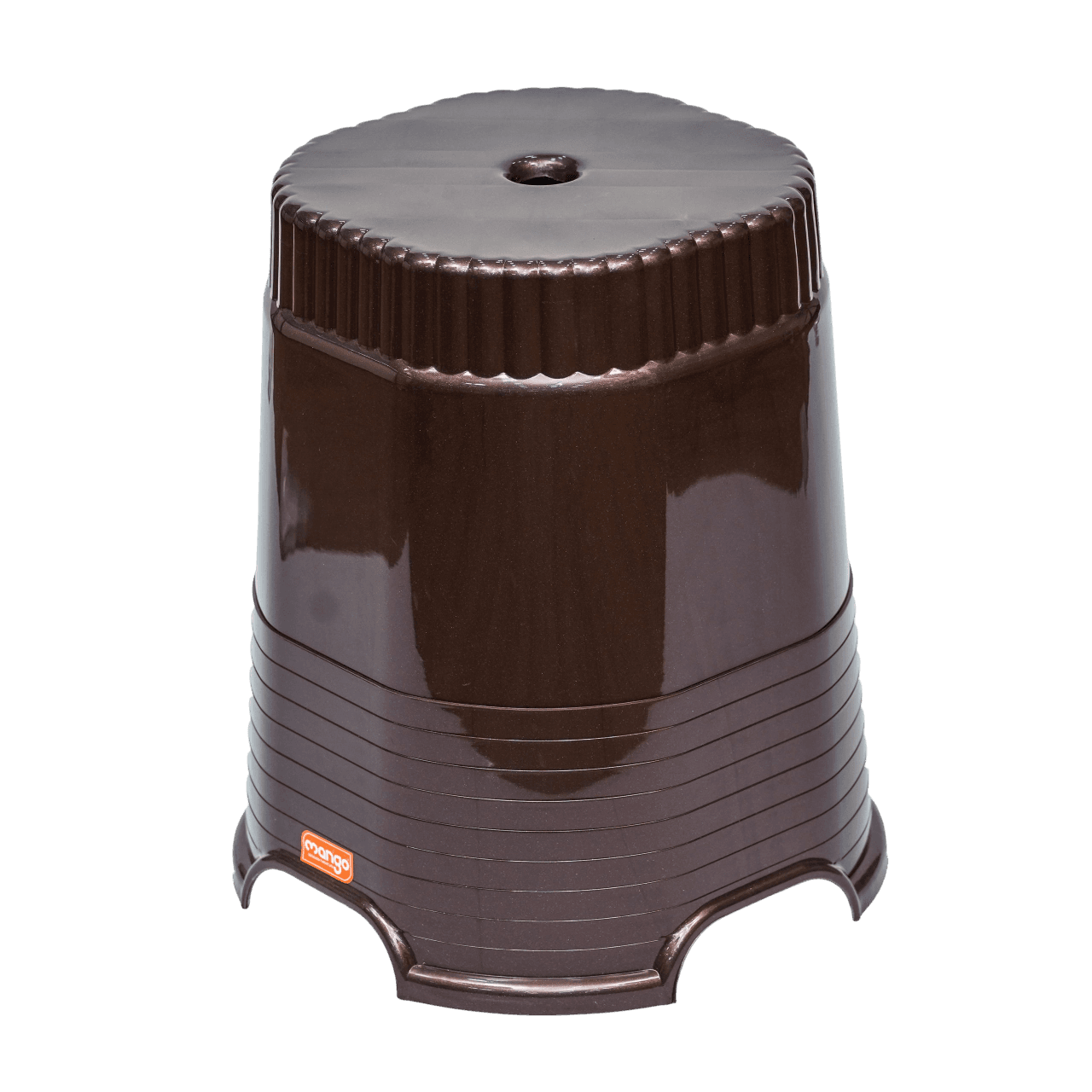
Outdoor events, whether small family gatherings, large community fairs, or destination weddings, always face one major challenge: arranging enough seating that is practical, affordable, and durable. Traditional wooden or metal seating can be heavy, expensive, and vulnerable to weather conditions. This is where the plastic stool has become a favourite for event organisers worldwide. Designed for functionality, it combines portability, resilience, and cost-effectiveness in one simple form. With innovations in material science, today’s plastic sitting stools are stronger, more stylish, and weather-resistant, making them perfect for outdoor use. From casual barbecues to professional exhibitions, they offer unmatched convenience while reducing logistical headaches. According to market reports, the global recycled plastic outdoor furniture industry was valued at over USD 3.3 billion in 2023 and is growing steadily, demonstrating how important this section has become for modern event planning.
The importance of choosing the right seating for outdoor events cannot be underestimated. The plastic stool strikes a perfect balance between portability and durability. Its lightweight build allows easy transportation and arrangement, while stackable or folding designs save valuable storage space. Built from advanced materials like high-density polyethene (HDPE) and polypropylene (PP), these stools resist rain, UV exposure, and wear and tear better than wooden or metal alternatives. Their longevity and minimal maintenance make them cost-effective for event managers. Whether it’s a large-scale concert, a wedding in open gardens, or a street food festival, plastic sitting stools ensure guests are comfortable without organisers worrying about rust, rot, or bulkiness. For these reasons, they have moved beyond being a backup option and now stand as the go-to seating solution for outdoor occasions.
Event managers often move hundreds of seats at once. A plastic stool is significantly lighter than a wooden chair or a metal seat. This makes transporting, stacking, and repositioning effortless, especially in fast-paced setups like exhibitions and trade fairs.
Outdoor seating is constantly exposed to unpredictable weather, scorching sun, sudden rain, or chilly winds. Unlike wood, which swells, or metal, which rusts, the plastic sitting stool remains unaffected. UV-stabilised plastics maintain colour, while HDPE ensures structural integrity for years.
Maintenance is crucial when furniture is reused across events. Plastic stools are easy to clean with water and mild soap. No polishing, painting, or rust-proofing is needed, which saves both cost and effort.
Modern plastic stools are engineered to handle impressive loads despite their lightweight design. Quality event stools can withstand weights of 100 kg or more, making them safe and reliable for diverse audiences.
Today’s plastic stools aren’t just functional, they’re stylish too. Available in a variety of colours, finishes, and sizes, they can be customised to match an event’s theme or brand. Many suppliers even offer logo printing or colour matching, helping companies add a personal touch to their seating. At weddings, colourful stools can brighten décor, while at corporate events, branded seating doubles as subtle marketing. Their design versatility means they can blend into formal settings or casual festivals with equal ease.
From an economic standpoint, plastic sitting stools are affordable up front and highly cost-efficient over time. Since they last longer than alternatives, replacement costs are reduced. The growing use of recycled plastic in stool manufacturing also contributes to sustainability efforts. With the recycled plastic outdoor furniture market expanding globally, plastic stools not only reduce waste but also align with eco-conscious event trends.
The versatility of plastic stools makes them suitable for countless outdoor scenarios. At music festivals, they allow flexible seating layouts. At weddings, they serve as quick add-ons for extra guests. Food festivals and community fairs benefit from their easy cleaning, while sports and cultural events rely on their portability for quick seating setups. This adaptability explains why plastic stools are considered a staple by professional event organisers.
To sum up, the plastic stool is more than just a seating option; it is an essential event. Combining portability, durability, and affordability, it outshines traditional materials in almost every outdoor setting. Its resistance to weather conditions, low maintenance needs, and design flexibility make it an asset for organisers who want efficiency without compromising guest comfort. With the rising global adoption of recycled plastics, these stools also contribute to sustainable event management. From weddings to fairs, from concerts to corporate functions, the plastic sitting stool has secured its place as the ultimate outdoor seating solution. For organisers who value reliability, long-term value, and smart design, choosing plastic stools is a decision that pays off across multiple events. When it comes to dependable and stylish outdoor seating, Mango Chairs ensures that your gatherings are equipped with solutions that are as practical as they are enduring.
FAQs
Q. What primary plastic materials ensure extreme durability against outdoor weather?
High-density polyethene (HDPE) and polypropylene (PP) are used. These advanced materials provide superior resistance to rain, UV exposure, and general wear and tear, unlike metal or wood.
Q. How does customisation, like logo printing, benefit corporate event organisers?
Customisation allows event seating to double as subtle marketing by adding a brand's logo or matching corporate colours, enhancing aesthetic appeal while promoting the brand.
Q. Does the use of recycled plastic compromise the stool's load-bearing capacity or strength?
No, modern engineering ensures the recycled plastic is processed to maintain or exceed the strength of virgin materials, reliably supporting 100 kg or more.
Q. How much does the lightweight nature actually reduce logistical setup time for events?
The reduced weight makes transporting, stacking, and repositioning hundreds of seats effortless. This significantly speeds up fast-paced setups at exhibitions and large fairs.
Q. Besides rust and rot, what specific damage does UV-stabilised plastic prevent outdoors?
UV-stabilised plastics specifically prevent the colour fading, chalking, and structural embrittlement that non-stabilised plastics suffer from due to prolonged sun exposure.
Your email address will not be published. Required fields are marked *