
My Cart
ProductTotal

Oops, your cart is empty.
My Cart
ProductTotal
Oops, your cart is empty.
Oops, your cart is empty.
Oops, your cart is empty.

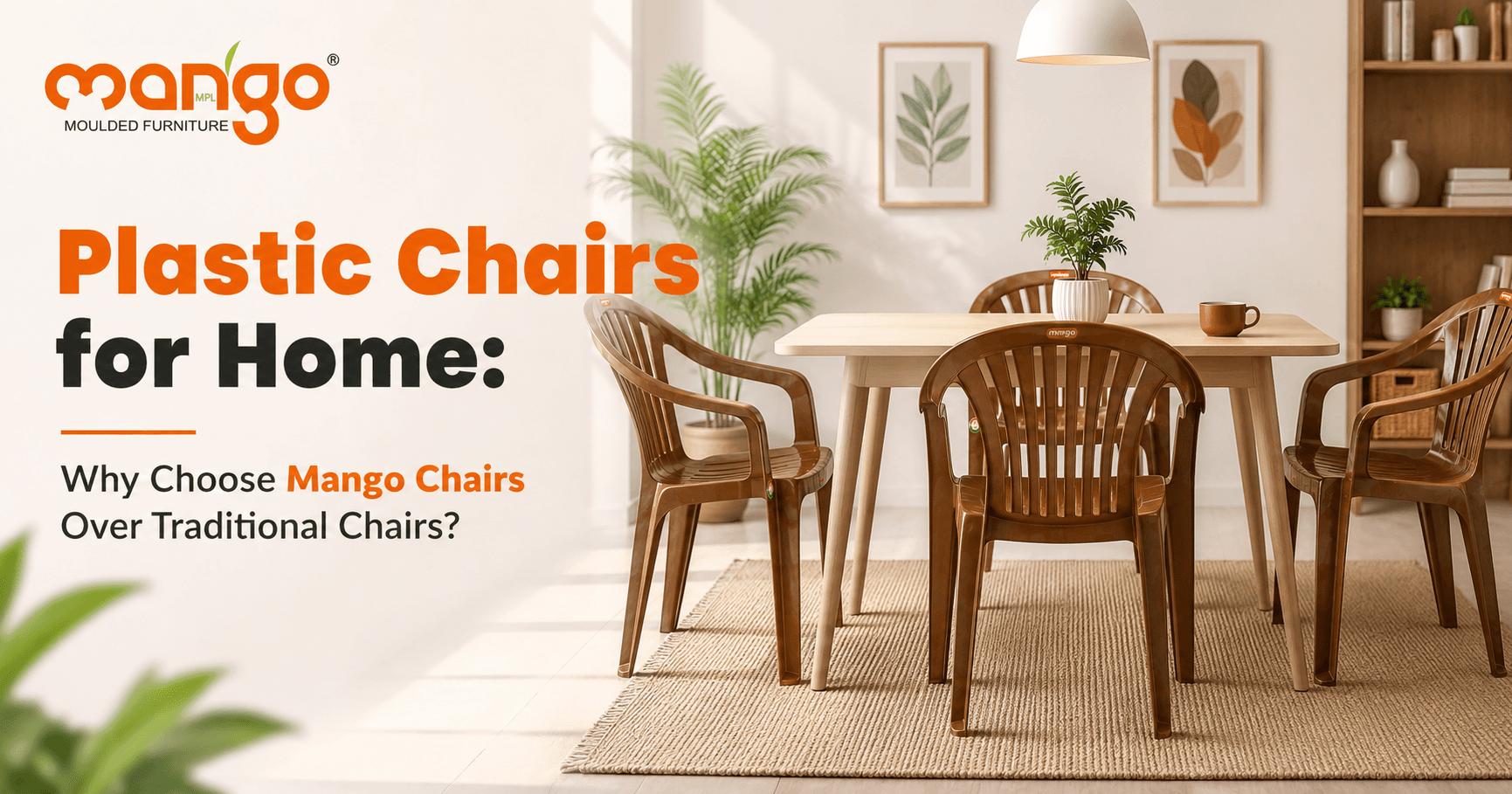
Choosing furniture for your home is never just about looks — it's about durability, comfort, upkeep, and value for money. If you've been comparing plastic chairs for home use against traditional wooden or metal seating, you're not alone. Indian households are increasingly switching to plastic chairs because they survive humidity, resist termites, and cost a fraction of traditional furniture.
In this guide, we'll break down how plastic chairs actually compare to traditional chairs — on durability, maintenance, cost, comfort, and style — so you can decide with confidence. Whether you're furnishing a living room, dining space, balcony, or outdoor seating area, this comparison will help you buy plastic chairs that actually fit your home and budget.
What Are Plastic Chairs? A Quick Definition
Plastic chairs are seating furniture made primarily from polymers such as polypropylene (PP), often reinforced for strength and UV resistance. Unlike wood or metal, plastic chairs are molded in a single or few-piece construction, making them lightweight, weather-resistant, and low-maintenance — ideal for India's varied climate, from humid coastal regions to dry, dusty interiors.
Plastic Chairs vs Traditional Chairs: Quick Comparison
| Factor | Plastic Chairs | Traditional Chairs (Wood/Metal) |
| Cost | Budget-friendly, ₹500–₹3,000 range typically | Higher cost due to raw material and craftsmanship |
| Maintenance | Wipe-clean, no polishing needed | Needs polishing, oiling, or rust treatment |
| Weather Resistance | Resistant to moisture, humidity, termites | Wood swells/warps; metal can rust |
| Weight | Lightweight, easy to move and stack | Heavier, harder to rearrange |
| Lifespan | 5–10+ years with basic care | Varies widely; wood can last decades with upkeep |
| Termite/Pest Risk | None | Wood is vulnerable without treatment |
| Style Options | Wide range of modern, colourful designs | Classic, premium aesthetic |
| Best For | Homes, outdoor spaces, rental properties, humid regions | Formal interiors, long-term heirloom furniture |
This table is a quick reference — the sections below explain the reasoning behind each point.
Why Choose Plastic Chairs for Home? (Key Benefits)
1. Lower Cost Without Compromising Function
Plastic chairs are significantly more affordable than solid wood or upholstered seating. For families furnishing an entire home — living room, dining area, kids' study corner, and balcony — this cost difference adds up quickly. You get functional, comfortable seating without stretching your furniture budget.
2. Minimal Maintenance
Traditional wooden chairs need periodic polishing, and metal chairs are prone to rust in humid conditions. Plastic chairs, by contrast, only need a wipe with a damp cloth. There's no need for varnish, oiling, or anti-rust treatment — a major advantage for busy households.
3. Built for Indian Climate Conditions
India's climate varies from coastal humidity to dry heat and monsoon dampness. Wood tends to expand, contract, or warp with humidity changes, and untreated wood is vulnerable to termites — a common issue in many Indian homes. Quality plastic chairs, especially UV-stabilized ones, resist warping, cracking, and pest damage across seasons.
4. Lightweight and Easy to Rearrange
Whether you're hosting guests, rearranging your living room, or moving between rented homes, plastic chairs are far easier to lift, stack, and store than heavy wooden or metal furniture. This matters especially for smaller Indian apartments where flexible space usage is essential.
5. Wide Range of Styles and Colours
Modern plastic chairs are no longer limited to plain white monobloc designs. Today's living room chairs plastic options come in contemporary shapes, matte and glossy finishes, and colour palettes that match modern Indian home décor — from minimalist to vibrant.
6. Safer for Families with Kids
Plastic chairs typically have smoother edges and are lighter, reducing injury risk if a chair tips over. They're also easier to clean after spills, making them practical for households with young children.
Where Traditional Chairs Still Win
To be fair and balanced, traditional chairs have genuine strengths:
If your priority is a long-term formal centerpiece and you're willing to invest in maintenance, traditional chairs remain a valid choice. But for everyday, functional, budget-conscious seating across most rooms in an Indian home, plastic chairs offer better practical value.
How to Choose the Best Plastic Chairs for Your Home
When you're ready to buy plastic chairs, keep these factors in mind:
Common Mistakes to Avoid When Buying Plastic Chairs
Is Buying Plastic Chairs Online Worth It?
Yes — buying online plastic chairs is generally worth it if you buy from a reliable, established brand. Online shopping lets you compare designs, sizes, and price points easily, read specifications clearly, and often get better deals than physical stores. The key is checking material quality details, weight capacity, and return/warranty policies before purchasing, since you can't physically test the chair beforehand.
Which Is Best for Indian Homes: Plastic or Traditional Chairs?
For most Indian households — especially those dealing with humidity, space constraints, budget planning, or families with children — plastic chairs are generally the more practical choice. They require less upkeep, resist common climate-related furniture problems, and are easier to replace or add to as your needs change. Traditional chairs remain a strong choice for formal, statement pieces where long-term investment and craftsmanship matter more than daily practicality.
Final Thoughts
Choosing between plastic and traditional chairs ultimately comes down to your priorities: budget and low maintenance versus classic aesthetics and long-term craftsmanship. For everyday home use across India's varied climate, plastic chairs for home offer a smart balance of affordability, durability, and style — without the upkeep traditional furniture demands.
If you're ready to upgrade your seating, explore Mango Chairs' range of durable, stylish plastic chairs designed for Indian homes — from living rooms to balconies to dining spaces.
Shop Now → Browse our plastic chair collection and find the right fit for every room in your home.
AEO Questions & Answers
Q: What are plastic chairs? A: Plastic chairs are seating furniture made mainly from polypropylene, molded for durability and light weight. They resist moisture, pests, and weather damage, making them a practical, low-maintenance alternative to wood or metal chairs.
Q: How do plastic chairs compare to traditional chairs? A: Plastic chairs cost less, need minimal upkeep, and resist humidity and termites, while traditional chairs offer a premium look and can last longer with proper maintenance. Plastic suits everyday practical use; traditional suits formal, long-term investment pieces.
Q: Why is choosing plastic chairs for home important in India? A: India's humid and termite-prone climate can damage untreated wood furniture over time. Plastic chairs resist these conditions, making them a more reliable, low-maintenance option for most Indian households.
Q: What are the benefits of plastic chairs? A: Key benefits include affordability, easy cleaning, resistance to moisture and pests, lightweight portability, and a wide range of modern designs suited to Indian home décor.
Q: How do you choose the best plastic chairs? A: Check for virgin polypropylene material, adequate weight capacity, UV stabilization for outdoor use, a design that fits your room, and a reliable brand offering warranty support.
Q: How much do plastic chairs cost? A: Plastic chairs in India typically range from around ₹500 to ₹3,000 depending on design, brand, and material grade, making them significantly more budget-friendly than most wooden or upholstered chairs.
Q: What are common mistakes when buying plastic chairs? A: Common mistakes include choosing the cheapest low-grade option, ignoring weight capacity, skipping UV-treated chairs for outdoor use, and not considering stacking or storage needs.
Q: Is buying plastic chairs online worth it? A: Yes, buying plastic chairs online is worth it when purchased from a trusted brand, as it offers easier comparison, competitive pricing, and detailed specifications — though checking return policies is important since you can't test the chair in person first.
FAQs (For On-Page FAQ Section)
1. Which is better: plastic chairs or wooden chairs? It depends on your priority. Plastic chairs are better for budget, low maintenance, and humid climates, while wooden chairs suit formal interiors and long-term investment if properly maintained.
2. How long do plastic chairs last? Good-quality plastic chairs typically last 5–10 years or more with basic care, especially if kept away from prolonged direct sunlight unless UV-treated.
3. Are plastic chairs safe for daily home use? Yes, plastic chairs made from quality polypropylene are safe for daily use, with smooth edges and sufficient weight capacity for adults when chosen correctly.
4. Can plastic chairs be used outdoors? Yes, but choose UV-stabilized plastic chairs specifically designed for outdoor use to prevent fading, brittleness, and cracking from sun exposure over time.
5. Do plastic chairs need any maintenance? Minimal maintenance is needed — usually just wiping with a damp cloth. Unlike wood, there's no need for polishing, oiling, or rust prevention.
6. Are plastic chairs eco-friendly? Many modern plastic chairs use recyclable polypropylene, and their long lifespan reduces frequent replacement, though eco-friendliness varies by brand and material sourcing.
7. Why should I choose plastic chairs for a small apartment? Plastic chairs are lightweight, stackable, and easy to move, making them ideal for small apartments where flexible space usage and easy storage matter.
Your email address will not be published. Required fields are marked *