
My Cart
ProductTotal

Oops, your cart is empty.
My Cart
ProductTotal
Oops, your cart is empty.
Oops, your cart is empty.
Oops, your cart is empty.

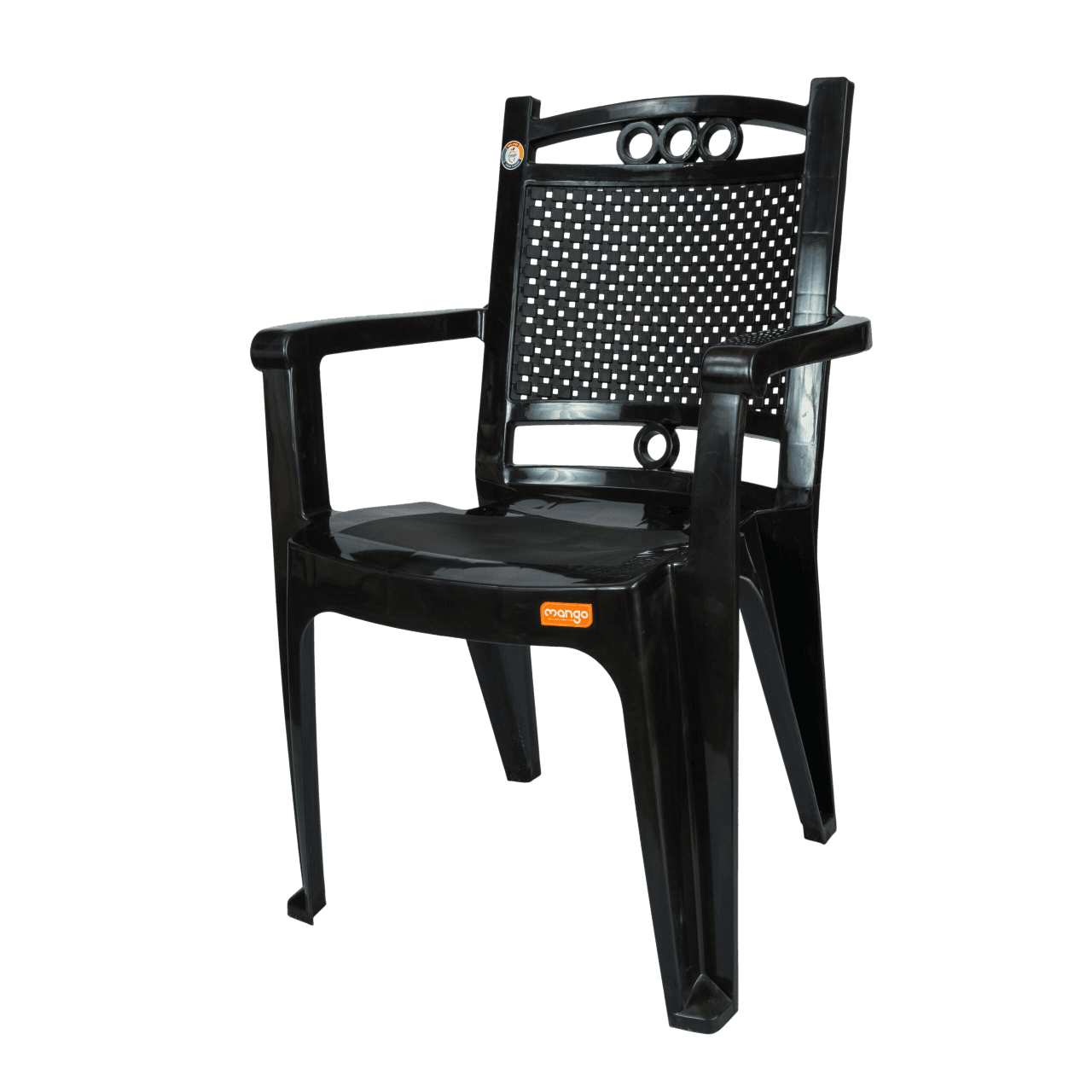
The Indian furniture industry has seen a steady shift toward practical, long-lasting, and cost-conscious products over the last decade. With changing lifestyles, urban homes, and growing demand from commercial spaces, plastic furniture has become a preferred choice across the country. Its ability to handle daily use, changing weather, and frequent movement has made it relevant for homes, offices, outdoor areas, schools, and event venues. Within this growing segment, manufacturers who focus on consistency, material quality, and functional design stand out. Mango Chairs has built its presence by aligning with these expectations, offering plastic furniture solutions that respond to real usage needs rather than passing trends. India is one of the fastest-growing markets for plastic furniture due to its large population, varied climate, and expanding housing sector. As a plastic furniture manufacturer, Mango Chairs operates within this dynamic environment, addressing both residential and commercial requirements. The brand’s approach reflects an understanding of how Indian consumers use furniture daily, often across indoor and outdoor settings.
Plastic furniture in India serves a wide range of users, from urban apartments to rural households, cafés, institutions, and public spaces. Industry observations show that plastic furniture remains popular because it is lightweight, resistant to moisture, and easy to maintain. Seasonal changes, especially monsoons and high summer temperatures, make plastic a practical alternative to wood or metal. A plastic furniture manufacturer operating at scale must therefore focus on durability and consistency, as products are expected to perform across varied regions and usage conditions.
Mango Chairs follows manufacturing practices that prioritise material strength and product stability. High-grade polypropylene is commonly used across the plastic furniture industry because of its balance between flexibility and toughness. This material allows furniture to handle daily stress without cracking while maintaining shape over time. As a plastic furniture manufacturer, maintaining uniform thickness, smooth finishes, and reinforced structures is essential for long-term performance, especially in chairs and stools that experience repeated movement and weight shifts.
Design in plastic furniture is closely tied to usability. Mango Chairs focuses on clean forms that fit easily into different environments, whether it is a home dining area, a garden, or a commercial setup. The absence of unnecessary complexity helps improve durability and ease of cleaning. Neutral shades cater to everyday spaces, while brighter colours support outdoor and informal settings. This balance between appearance and function reflects how Indian consumers often prioritise usefulness over decorative detail.
One of the most important factors for any plastic furniture manufacturer is load-bearing capacity. Chairs and stools must remain stable under regular use by people of different age groups. Reinforced legs, balanced bases, and properly moulded seating surfaces help distribute weight evenly. Industry testing standards often involve repeated load tests to assess performance over time. Products designed with these considerations are better suited for both domestic and commercial use, where furniture is often shared by multiple users.
Ease of maintenance is a major reason plastic furniture continues to dominate the Indian market. Furniture that can be cleaned with water and mild detergent saves time and effort, especially in households with children or outdoor spaces exposed to dust. Mango Chairs aligns with this expectation by offering surfaces that resist staining and do not require special treatments. This practical advantage makes plastic furniture suitable for high-use areas such as cafeterias, waiting rooms, and event venues.
Outdoor seating remains a key segment for plastic furniture in India. Gardens, terraces, balconies, and roadside establishments rely on furniture that can handle sun and moisture. As a plastic furniture manufacturer, addressing outdoor use involves UV resistance and structural stability. Plastic furniture designed for such spaces remains functional through seasonal changes without frequent replacement. This reliability supports long-term use in both personal and commercial outdoor environments.
Sustainability has become an important consideration in modern manufacturing. Many plastic furniture manufacturers now focus on reducing material waste and improving recyclability. Polypropylene, widely used in plastic furniture, is recyclable and supports responsible disposal practices when managed correctly. Efficient moulding processes also help reduce excess material usage. These practices contribute to more responsible production while meeting growing demand.
Beyond homes, plastic furniture is widely used in schools, hospitals, offices, and public venues. These spaces require furniture that is uniform, durable, and easy to replace when needed. Mango Chairs caters to such requirements by offering designs that suit bulk usage without compromising on comfort or strength. Consistency in production allows institutions to maintain uniform seating across large spaces.
The growing reliance on plastic furniture in India reflects changing lifestyles and practical needs. As a plastic furniture manufacturer, Mango Chairs operates within a market that values durability, ease of use, and cost efficiency. By focusing on material quality, balanced design, and everyday usability, the brand aligns with how furniture is actually used across homes and commercial spaces. Plastic furniture continues to play a vital role in supporting flexible living and working environments. With attention to manufacturing standards and real-world application, Mango Chairs represents a dependable presence in India’s plastic furniture landscape, serving diverse needs with consistency and purpose.
FAQs
Q. How does uniform wall thickness impact the chair's overall lifespan?
Consistent thickness prevents internal stress and cooling warpage, ensuring the chair maintains its structural integrity and sleek appearance over years of use.
Q. Can these plastic chairs be safely recycled at the end of use?
Yes, most Mango chairs use 100% recyclable polypropylene, which can be melted and repurposed into new products, supporting a sustainable circular economy.
Q. What specific maintenance prevents plastic furniture from becoming brittle?
Avoid harsh chemical cleaners and direct high-heat exposure; simple soap-and-water cleaning preserves the polymer’s flexibility and prevents the surface from cracking.
Q. How is the load-bearing capacity tested for heavy-duty commercial use?
Manufacturers perform static load and fatigue tests, simulating thousands of seating cycles to ensure the furniture remains stable under varying weights and movements.
Q. Why is polypropylene preferred over other plastics for Indian climates?
Polypropylene is "the steel of plastics", offering high heat resistance and zero moisture absorption, making it ideal for India’s intense summers and monsoons.
Your email address will not be published. Required fields are marked *