
My Cart
ProductTotal

Oops, your cart is empty.
My Cart
ProductTotal
Oops, your cart is empty.
Oops, your cart is empty.
Oops, your cart is empty.

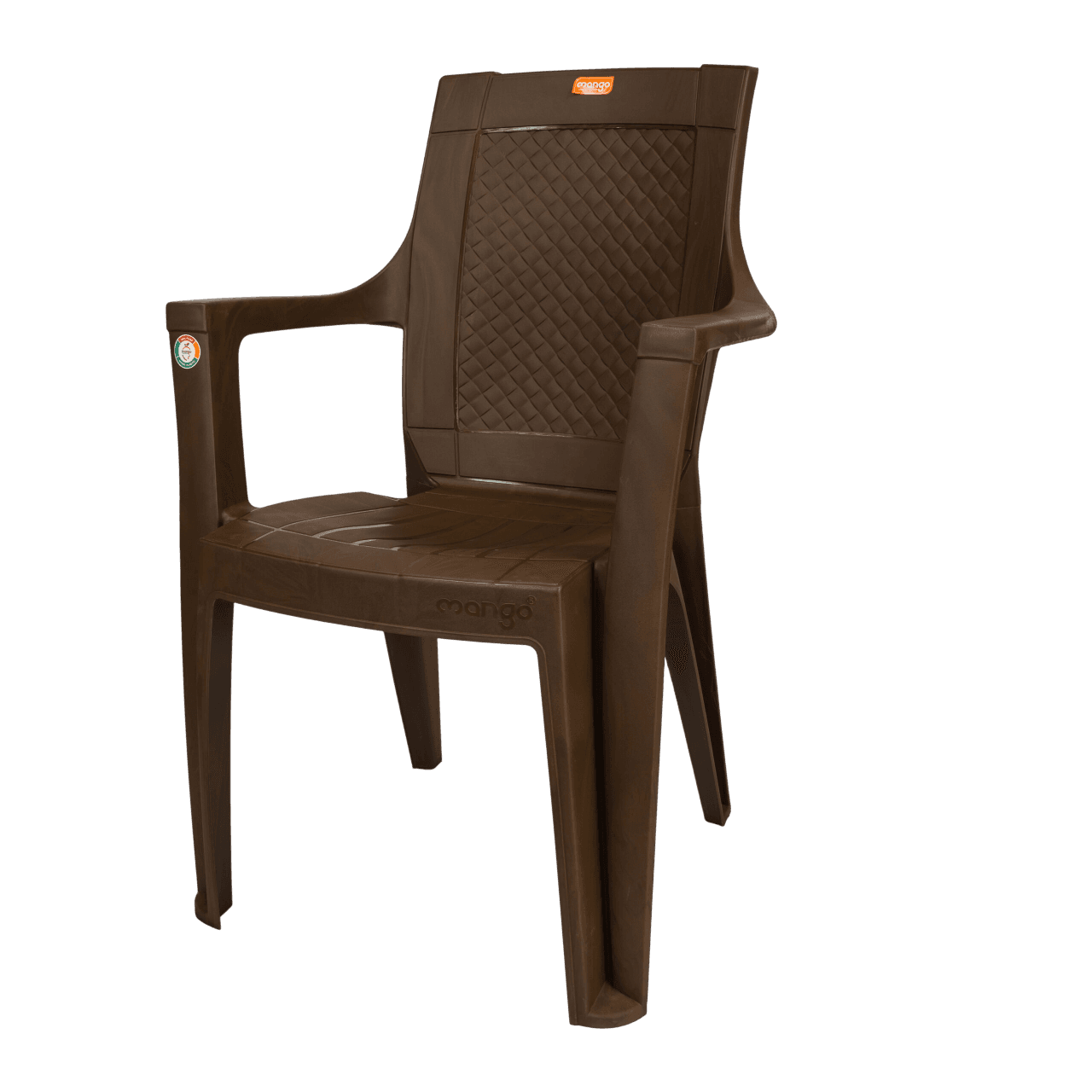
Furniture trends often come and go, but some innovations quietly evolve into everyday essentials. Stackable plastic seating is one such transformation, a solution once associated with backyard barbecues or school events has now found its way into corporate boardrooms, designer cafés, and even luxury event setups. The evolution of plastic chairs from basic and utilitarian to stylish, durable, and multifunctional is not just a change in aesthetics but a response to how we live, work, and gather today. Stackable plastic chairs have become a staple in numerous environments due to their adaptability, affordability, and ease of use. They're not just convenient; they're thoughtfully designed to meet the needs of both personal and professional spaces. Whether you're hosting a garden party or managing a seminar, these chairs offer a practical, sleek, and modern solution. From casual outdoor hangouts to formal executive settings, stackable plastic seating continues to redefine versatility in design.
What makes stackable plastic chairs truly versatile is their ability to transition seamlessly from one environment to another. In a backyard, they serve as weather-resistant, easy-to-clean seating that doesn’t require special care. Their lightweight build allows users to rearrange them effortlessly or stack them away when not in use. They are ideal for everything from picnics and birthday parties to casual evenings under the stars.
However, the same chairs, with subtle design and finish changes, now command attention in boardrooms and commercial spaces. Sleek, matte-finished variants with ergonomic support are increasingly being used in offices and training rooms. Their stackable nature offers easy storage in multipurpose spaces, while their clean lines blend effortlessly with contemporary decor. This makes them not just a seating option but a space-efficient and design-conscious choice.
The story of these chairs is about more than convenience; it's about how good design can blur the line between casual and formal, style and practicality, and utility and innovation.
One of the major reasons plastic chairs have earned a permanent place in both homes and commercial venues is their durability. Unlike wooden or metal alternatives, they don’t rust, corrode, or warp. Today’s stackable plastic seating options are often made from high-density polypropylene or reinforced plastic compounds, offering long-term resistance to wear and tear. This makes them ideal for both indoor and outdoor environments and perfectly suited for unpredictable weather. Many models feature textures or faux wood finishes, making them almost indistinguishable from more expensive materials. The availability of these aesthetic upgrades has significantly improved how plastic chairs are perceived in the world of design.
Another standout feature of stackable plastic seating is its ability to adapt to spaces of all sizes. In smaller homes or office environments, where flexibility is key, stackable chairs offer the convenience of quick deployment and equally quick storage. A stack of ten chairs can be tucked neatly in a corner or utility room, leaving more room for other furnishings or movement.
In office setups, especially in modern, open-plan layouts or coworking spaces, plastic chairs are an ideal fit. Team meetings, workshops, or even impromptu collaborative sessions require furniture that moves with people, literally. Their light build and stackability mean teams can create seating arrangements on the fly without needing heavy lifting or special storage areas.
Sustainability in furniture is no longer a bonus; it’s a requirement. Manufacturers are now producing plastic chairs using recycled or recyclable materials, reducing their carbon footprint and offering consumers an eco-friendly alternative. Some brands even use post-consumer waste plastics to create sturdy, long-lasting seating solutions that support circular design principles.
For businesses conscious of their environmental impact, opting for stackable plastic seating is not just practical but also ethically sound. These chairs also consume fewer resources during production compared to traditional wooden or upholstered alternatives, making them more efficient from a lifecycle perspective.
The true testament to the versatility of plastic chairs lies in their widespread usage across schools, event venues, cafés, hospitals, banquet halls, and corporate training centres. In events and hospitality, they enable quick mass seating setups that can be reconfigured easily. For schools and coaching centres, they're affordable, easy to maintain, and available in vibrant colours to energise learning spaces. Even in high-end event design, stackable plastic chairs are now dressed up with covers, cushions, or elegant finishes to match the décor. The modern consumer values flexibility and efficiency, and these chairs deliver both without sacrificing design.
Whether it’s a casual evening in your garden, a bustling café, a school auditorium, or a boardroom presentation, stackable plastic seating rises to the occasion. It’s a quiet revolution in design, one that combines affordability with function and style with substance. These chairs offer more than just a place to sit; they bring efficiency, elegance, and environmental responsibility to any setting. As the demand for adaptable furniture grows, stackable plastic chairs are proving that simplicity and smart design go hand in hand. They're not just a fallback option; they are often the most thoughtful choice. And when it comes to quality and innovation in plastic seating, Mango Chairs continues to lead the way, one beautifully stacked seat at a time.
Q. What design innovations make plastic chairs boardroom-ready?
Sleek finishes, ergonomic designs, and advanced composites create a sophisticated look and feel, blurring the line between casual utility and professional elegance.
Q. How are stackable plastic chairs truly sustainable?
They are often made from recycled or recyclable materials, and their lightweight nature reduces the carbon footprint associated with transportation and manufacturing processes.
Q. What makes these chairs suitable for all weather conditions?
High-density polypropylene and reinforced plastics resist rust, corrosion, and warping, ensuring long-term durability both indoors and in outdoor environments.
Q. How do stackable chairs save space in small settings?
Their ability to be neatly stacked allows for quick deployment and storage, freeing up valuable floor space in homes, offices, or event venues.
Q. How have material advancements improved chair stability and strength?
Modern manufacturing techniques and reinforcing agents have eliminated common weaknesses, enhancing structural integrity and weight capacity for safe, reliable use in various settings.
Your email address will not be published. Required fields are marked *