
My Cart
ProductTotal

Oops, your cart is empty.
My Cart
ProductTotal
Oops, your cart is empty.
Oops, your cart is empty.
Oops, your cart is empty.

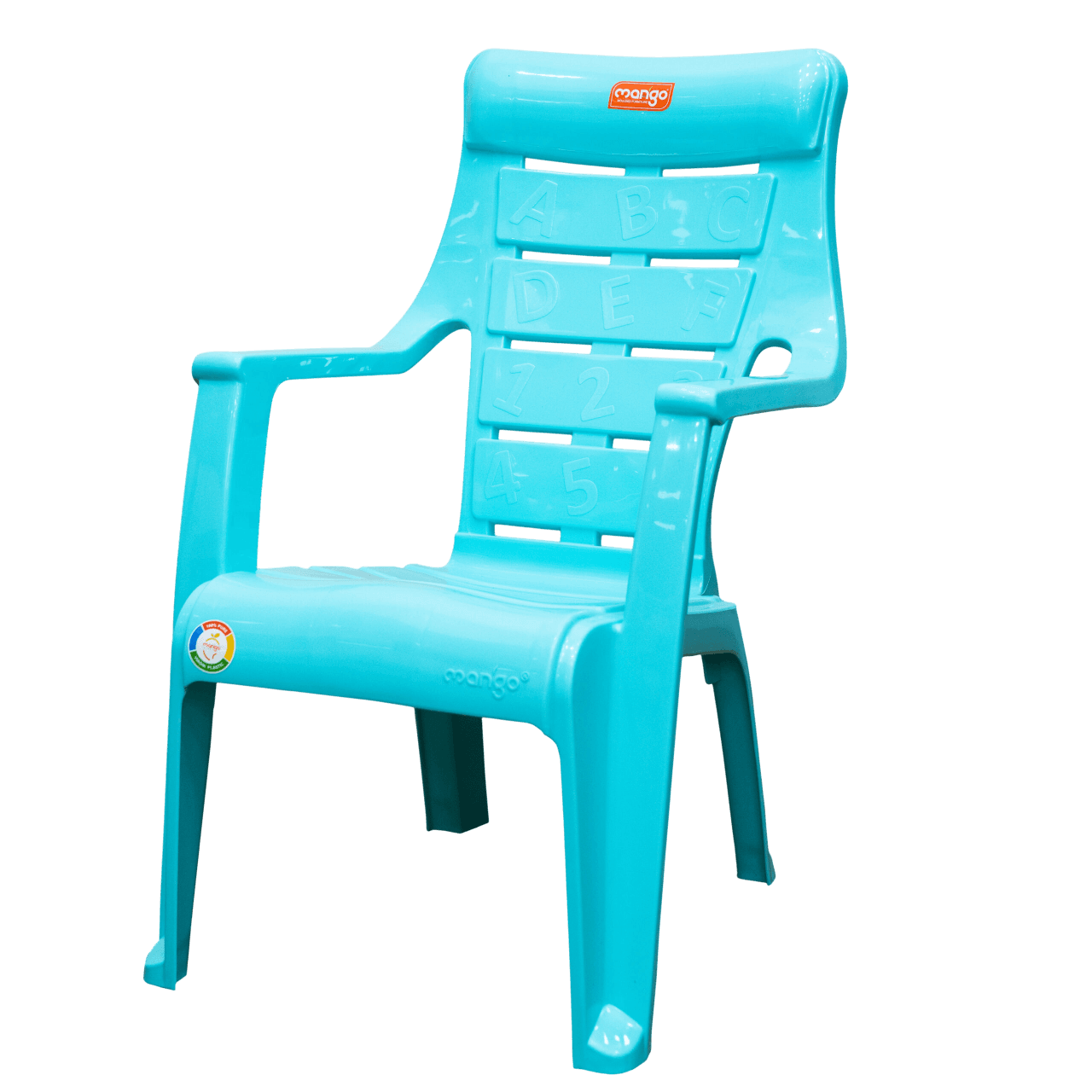
Children’s furniture plays a vital role in shaping their comfort, creativity, and learning experience. Among all furniture items, a plastic baby chair stands out for its versatility, safety, and practicality. Whether for study time, playtime, or meal hours, having the right chair for your child makes a big difference. As homes, schools, and daycare centres across India focus more on child-friendly interiors, the demand for ergonomic and durable plastic furniture is growing rapidly. Parents today want chairs that are colourful, lightweight, easy to clean, and safe for everyday use. According to a 2024 report by Market Research Future, India’s plastic furniture market is expected to grow steadily, driven by increasing urbanisation and changing lifestyles. For parents planning to buy one, understanding what makes a kids’ plastic chair truly functional and child-safe is essential. Let’s explore the key factors that help make the right choice.
Children grow fast, and so should the comfort they get from their furniture. When buying a baby plastic chair, make sure it matches your child’s age and height. The seat should allow their feet to rest flat on the floor, promoting proper posture and avoiding unnecessary strain on their back. Many leading brands now follow international ergonomic standards to design child-specific seating that supports spinal alignment.
Plastic chairs for children should be sturdy enough to handle regular use, yet light enough to move easily. Always look for chairs made of high-quality polypropylene or polyethylene, which are known for their durability and flexibility. Avoid chairs made of cheap plastic that can crack easily or lose shape over time. Reputable brands in India, such as Mango Chairs, have introduced chairs made from UV-resistant and non-toxic plastic materials. These chairs maintain colour and structure even when used outdoors.
Design isn’t just about appearance; it plays a key role in safety. Chairs with rounded corners, anti-slip legs, and wide seating areas prevent falls and injuries. A stable base helps prevent tipping, especially for toddlers who tend to move a lot. Parents should also look for chairs with no detachable small parts that could pose choking risks. Many modern plastic baby chairs now come with smooth finishes, preventing scratches or sharp edges.
4. Lightweight and Portable for Everyday Use
Kids love to move their chairs around during play or learning activities. This makes portability an important consideration. A lightweight plastic chair makes it easier for them to carry it from the living room to the study area without adult help. Unlike wooden chairs, plastic ones do not leave marks on the floor and are easy to stack or store when not in use.
Children are naturally messy, which makes furniture maintenance an everyday task. Fortunately, plastic furniture is known for being low-maintenance. A quick wipe with a damp cloth is often enough to keep it clean. For extra hygiene, parents can occasionally disinfect the chair using child-safe cleaning solutions. Plastic chairs also dry faster than wooden or fabric-based furniture, making them ideal for outdoor or multipurpose use.
6. Colour and Aesthetics for Fun Spaces
Vibrant colours and creative shapes play an important role in building a child’s sense of imagination. Bright reds, blues, yellows, and greens can instantly make a space more inviting. Online stores now offer themed chairs inspired by animals, cars, or cartoon characters, making them a hit among toddlers.
Budget plays a role, but it’s important not to compromise on quality. The price of kids’ plastic chairs in India typically ranges from ₹400 to ₹1,500, depending on size, design, and material. Many reputed brands now offer chairs with additional features like detachable trays or matching tables at reasonable prices.
With increasing awareness about environmental conservation, some manufacturers are now using recycled plastic to make kids’ furniture. These eco-friendly chairs are just as durable and safe as regular ones but contribute to reducing plastic waste. If sustainability matters to you, check the product description for eco-certifications or details about recycled materials used.
Always purchase from reputable brands or trusted sellers, especially when shopping online. Look for chairs that meet basic safety certifications such as EN 1729 (for school furniture) or those compliant with BIS (Bureau of Indian Standards). Brands like Mango Chairs have built a reputation for combining comfort, safety, and design, making them a trusted name in the kids’ furniture segment. Buying certified products gives parents peace of mind, knowing that the furniture has passed rigorous quality checks.
Choosing the right kids’ plastic chair is more than a matter of looks; it’s about providing comfort, safety, and joy to your child. A well-designed plastic baby chair supports posture, encourages independence, and adds a touch of fun to everyday activities. By considering factors such as size, quality, design, and sustainability, parents can make an informed decision that benefits their child in the long run. Plastic furniture continues to gain popularity for its durability, hygiene, and value for money. With options available across different styles and budgets, the perfect kids’ chair is just a thoughtful choice away. For quality designs that combine comfort and care, Mango Chairs remains one of the most trusted brands in children’s furniture across India.
FAQs
Q. What exact plastic materials guarantee high durability and flexibility?
Look for high-quality polypropylene or polyethylene plastic. These materials are renowned for being sturdy, flexible, and resistant to easy cracking or shape loss.
Q. Why is the chair's weight important for promoting child independence?
A lightweight design allows children to move the chair easily without assistance. This promotes independence and makes it simple to shift between play and study areas.
Q. How does having feet flat on the floor impact the child's posture?
Proper placement of the feet prevents back strain and promotes better spinal alignment. This adherence to ergonomic standards is vital for growing bodies.
Q. Beyond plastic, what specific eco-friendly materials are now being used?
Some manufacturers are using recycled plastic or bamboo to create eco-friendly options. This helps reduce plastic waste while maintaining quality and safety.
Q. What do safety certifications like EN 1729 specifically verify for school furniture?
EN 1729 is a standard that verifies the chair's safety, stability, and dimensions. It ensures the furniture is ergonomically suitable for different student height groups.
Your email address will not be published. Required fields are marked *
Chairs
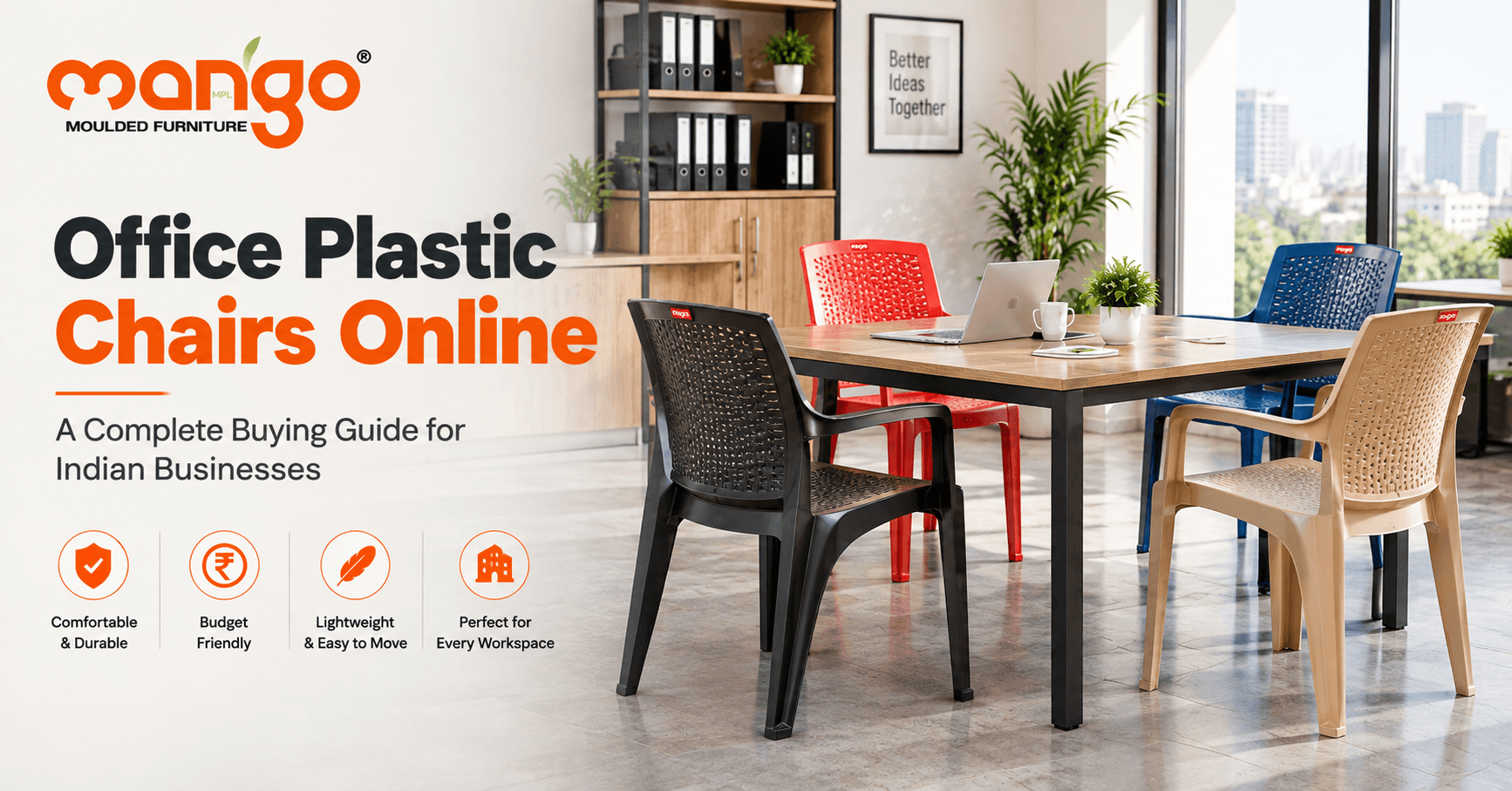
Choosing the right seating for an office is not only about appearance. Businesses need chairs that are comfortable, durable, easy to maintain, and suitable for everyday use. With more companies purchasing furniture online, office plastic chairs online have become a practical option for offices, reception areas, meeting rooms, training centres, schools, coworking spaces, and other commercial environments.
Plastic office chairs are available in different designs, sizes, colours, and styles. Some are designed for general seating, while others are suitable for meetings, waiting areas, cafeterias, or flexible workspaces.
If you are planning to buy plastic chairs for your office, this guide will help you understand what to look for before placing an online order.
Why Are Plastic Office Chairs a Popular Choice for Indian Businesses?
Office furniture needs to handle regular use while remaining easy to maintain. This is one reason plastic chairs continue to be used across different types of workplaces.
Good-quality moulded plastic chairs are designed to withstand regular handling and daily seating. They can be suitable for offices where chairs are frequently moved between rooms or rearranged according to different activities.
For businesses, durability can also help reduce the need for frequent furniture replacement.
Plastic surfaces are generally simple to clean. For busy offices, this can be useful in reception areas, cafeterias, meeting rooms, and other spaces where chairs may require frequent cleaning.
A soft cloth and an appropriate mild cleaning solution are usually sufficient for routine maintenance. Always follow the manufacturer's care instructions for the specific chair.
One advantage of many plastic chairs is their relatively lightweight construction. Employees or facility staff can move them easily when a room needs to be rearranged.
This is particularly useful for:
Modern plastic office chairs are not limited to basic designs. Businesses can choose from contemporary moulded chairs, chairs with different backrest styles, stackable models, and designs suitable for professional environments.
This makes it easier to select seating according to the purpose and overall appearance of the office.
Buying furniture online requires a little more attention because you cannot physically inspect the product before ordering. Consider the following factors before making your purchase.
Start by checking the material used to manufacture the chair.
Look for information about:
A chair may look attractive online, but its construction and specifications are more important for long-term business use.
A good office chair should provide reasonable comfort for its intended use.
When evaluating a plastic chair, check the shape of the:
Remember that not every plastic chair is designed for sitting continuously throughout a full working day. For long-duration desk work, businesses should consider chairs specifically designed for extended sitting and ergonomic support.
For meetings, reception areas, visitor seating, and short-duration use, a well-designed plastic chair can be a practical solution.
Always check the product dimensions before ordering office chairs online.
Important measurements include:
Correct dimensions help ensure that the chairs fit comfortably within the available office space.
Businesses should also check the recommended weight capacity of the chair.
If chairs are being purchased in large quantities, selecting a model with specifications suitable for the intended users and environment is particularly important.
Do not assume that all plastic chairs have the same load-bearing capacity.
If your office frequently rearranges furniture, stackable plastic chairs can be especially useful.
Stackable chairs can help save storage space when they are not being used. They can be moved and stored together, making them suitable for:
Before buying, check the manufacturer's recommended stacking limit and storage instructions.
Furniture contributes to the overall appearance of a workplace.
Plastic office chairs are available in multiple colours, allowing businesses to select options that complement their office interiors or brand identity.
For professional environments, neutral shades can create a clean and understated appearance, while brighter colours may work well in creative offices, cafeterias, breakout areas, or educational spaces.
Not every plastic office chair is suitable for outdoor use.
If you intend to use chairs in semi-outdoor areas, terraces, cafeterias, gardens, or other exposed spaces, check whether the manufacturer specifically recommends the product for that environment.
Exposure to sunlight, rain, dust, and temperature changes can affect furniture over time.
Price is an important consideration when businesses are purchasing furniture in bulk.
Instead of comparing only the listed price, consider the overall value, including:
The cheapest chair is not necessarily the most economical choice if it needs to be replaced frequently.
The right choice depends on how the chairs will be used.
| FactorPlastic Office ChairsTraditional Office Chairs | ||
| Maintenance | Generally easy to clean | Depends on material |
| Weight | Often lightweight | Can be heavier |
| Mobility | Easy to move | Varies by design |
| Storage | Some models are stackable | Usually less convenient |
| Design options | Multiple moulded designs | Wide range of designs |
| Typical use | Meetings, visitors, training, waiting areas | Desk work and extended sitting |
| Cost | Often economical | Varies significantly |
For businesses, there is no single chair that works for every situation. The best option depends on the duration of use, workspace, budget, and required features.
Plastic chairs can be used in many commercial and institutional environments.
Plastic chairs can provide simple and practical seating for visitors waiting for appointments or meetings.
Lightweight chairs are convenient when meeting rooms need to be rearranged for different group sizes.
Stackable plastic chairs can be useful when businesses need flexible seating arrangements.
Plastic furniture is generally easy to clean, making it suitable for eating and break areas when the selected product is designed for that environment.
Durable plastic chairs can also be used in classrooms, training rooms, libraries, and administrative areas.
Businesses that frequently change seating arrangements can benefit from furniture that is easy to move and store.
Before placing an online order, follow this simple checklist.
First, determine where the chairs will be used.
Are they for:
The answer will help narrow down the appropriate chair design.
Calculate how many chairs you need and whether you require additional chairs for future use.
For larger businesses, ordering in bulk may provide better commercial value, depending on the supplier.
Do not compare chairs based on photographs alone.
Check the product specifications, including dimensions, material, weight capacity, construction, and recommended usage.
For online furniture purchases, delivery is an important part of the buying process.
Businesses should check:
Look for clear product descriptions and transparent business information.
A reliable online furniture supplier should provide sufficient product details to help buyers make an informed decision.
If you need a large number of chairs, contact the supplier directly and ask about bulk quantities, pricing, availability, and delivery requirements.
The required quantity depends on your office layout and intended use.
For example, a business may need different quantities for:
It is generally useful to measure the available space before ordering. Leave sufficient room between chairs and tables so employees and visitors can move comfortably.
Proper maintenance can help keep office chairs in good condition.
Clean the chairs regularly using suitable cleaning products recommended by the manufacturer.
Do not exceed the chair's specified weight capacity or use it in ways for which it was not designed.
If the chairs are stackable, follow the manufacturer's stacking recommendations. Avoid unstable or excessively high stacks.
For indoor chairs, avoid prolonged exposure to harsh outdoor conditions unless the manufacturer states that the chair is suitable for such use.
A low price can be attractive, but businesses should also consider construction, durability, comfort, and intended usage.
A chair that looks suitable online may not fit properly around your existing desks or tables.
Always check the manufacturer's specifications before purchasing.
A visitor chair and a full-time workstation chair may have very different requirements.
For a major office furniture purchase, consider ordering a sample or visiting a showroom, where available, before placing a large bulk order.
Plastic chairs can be a practical choice for many office environments, but they are not automatically suitable for every purpose.
For short-duration seating, meetings, visitor areas, training rooms, and flexible spaces, they can offer convenience, easy maintenance, and flexibility.
For employees who spend most of their working day sitting at a desk, businesses should pay closer attention to ergonomic requirements and consider office seating specifically designed for prolonged use.
The key is to select the chair according to its intended purpose rather than choosing the same model for every area of the workplace.
Online furniture shopping allows businesses to compare different products, specifications, designs, and prices from the convenience of their office.
Businesses can also review product information before contacting a supplier about bulk requirements.
For companies purchasing furniture across different locations in India, online ordering can make the initial product-selection process more convenient.
Yes. Plastic chairs can be suitable for offices, particularly for reception areas, meeting rooms, visitor seating, training rooms, cafeterias, and flexible workspaces. The suitability depends on the chair's design and intended usage.
Moulded plastic office chairs are manufactured by forming plastic into a specific chair shape using a mould. This can create a consistent structure and allow manufacturers to produce different ergonomic and contemporary designs.
Yes. Many furniture suppliers accept bulk orders. Businesses should contact the supplier to confirm availability, commercial pricing, delivery timelines, and other order requirements.
The durability of a plastic chair depends on its material, construction, design, usage, and maintenance. Always check the manufacturer's specifications before purchasing.
Comfort depends on the chair's seat design, backrest, dimensions, and intended use. Chairs designed for meetings or visitor seating may differ from ergonomic chairs intended for extended desk work.
Yes. Stackable models can be useful for offices and institutions that frequently rearrange their seating or need to store chairs when they are not in use.
Consider the chair's intended use, material, dimensions, comfort, weight capacity, design, maintenance requirements, quantity, and overall cost before making a purchase.
Choosing office plastic chairs online does not have to be complicated. The key is to look beyond appearance and price and consider how the chairs will actually be used in your workplace.
For meeting rooms, reception areas, training spaces, visitor seating, cafeterias, and flexible workspaces, well-designed plastic chairs can offer a practical combination of durability, easy maintenance, mobility, and value.
Before placing an order, compare product specifications, check dimensions and weight capacity, understand the supplier's delivery terms, and ask about bulk requirements if you are purchasing for a larger organization.
If you are looking for moulded plastic office chairs in India, explore the available designs and specifications at Mango Chairs and choose seating according to your office's specific requirements.
Before ordering, make sure you have checked:
Choose the right chair for the right space, and your office furniture investment can deliver practical value for years to come.

plastic outdoor furniture
A garden is more than just an outdoor space. It can be a place to enjoy your morning tea, spend time with family, relax after a long day, or host friends on a pleasant evening. The right furniture can make that space more comfortable without creating extra work for you.
When choosing furniture for gardens, balconies, patios, terraces, lawns, and other outdoor areas, plastic furniture has become a practical choice for many households and businesses. It is easy to maintain, convenient to move, available in different designs, and suitable for everyday outdoor use.
Mango Chairs offers a range of moulded plastic furniture designed with practical outdoor living in mind. From comfortable plastic garden chairs to useful tables and seating options, the collection is made for people who want outdoor furniture that combines functionality, convenience, and modern design.
But what makes Mango Chairs worth considering?
Let’s explore why Mango Chairs can be a practical choice for plastic garden furniture.
Outdoor furniture has to deal with conditions that indoor furniture generally does not. Dust, moisture, sunlight, changing weather, frequent movement, and regular cleaning are all part of outdoor use.
This is where plastic furniture can offer an advantage.
Plastic garden chairs and tables are generally lightweight compared with many traditional furniture materials. This makes them easier to move when you want to change your seating arrangement, clean the garden, or store furniture when it is not being used.
Plastic furniture is also relatively simple to maintain. For everyday dirt and dust, basic cleaning is often enough to keep the furniture looking presentable.
For homes, cafés, restaurants, event spaces, gardens, balconies, and other outdoor environments, these practical qualities make plastic furniture a convenient option.
Mango Chairs focuses on furniture that fits naturally into everyday spaces.
A garden does not always need complicated furniture. Sometimes, you simply need a comfortable chair where you can sit with a cup of tea or a table where you can place snacks and drinks while spending time outdoors.
Mango Chairs offers moulded plastic furniture that can be used across different outdoor settings, including:
The focus is on making outdoor furniture convenient to use while keeping the overall appearance modern and adaptable.
Outdoor furniture naturally gets exposed to dust, dirt, and everyday environmental conditions. Furniture that takes too much effort to clean can quickly become inconvenient.
One of the reasons people choose plastic garden furniture is its straightforward maintenance.
Mango Chairs' plastic furniture can be cleaned as part of a regular outdoor maintenance routine. Depending on the type of dirt, a soft cloth, water, and a suitable mild cleaning solution may be enough for routine cleaning.
This makes plastic garden chairs especially useful for busy households and commercial spaces where furniture may be used frequently.
Outdoor seating arrangements often change.
You might move chairs into the shade during the afternoon, rearrange furniture before guests arrive, or clear the patio when cleaning. Heavy furniture can make these simple tasks difficult.
Plastic chairs are generally easier to handle and move than many heavier furniture options.
This flexibility is one of the biggest practical benefits of choosing plastic outdoor furniture. Mango Chairs' moulded furniture can be considered for spaces where seating needs to be rearranged regularly.
Not every outdoor space looks the same.
A large garden may need several chairs and tables, while a small balcony may only have enough room for a compact seating arrangement. A terrace might require furniture that can be moved around depending on how the space is being used.
Mango Chairs provides furniture that can fit into a variety of settings.
You can consider plastic garden chairs for:
Home gardens:
Create a simple seating corner for morning tea, reading, conversations, or family time.
Balconies:
Use compact furniture to turn an otherwise unused balcony into a comfortable sitting area.
Patios and terraces:
Arrange chairs and tables for casual outdoor meals or evening gatherings.
Commercial spaces:
Plastic outdoor furniture can also be considered for cafés, restaurants, resorts, and other locations that require flexible seating.
Practical furniture does not have to look ordinary.
Outdoor areas have increasingly become an extension of indoor living spaces. Homeowners often want their gardens, balconies, and patios to feel just as comfortable and visually appealing as the rest of the home.
Mango Chairs offers moulded plastic furniture in designs intended to work with modern environments.
Depending on the product and space, you can create a simple arrangement or combine multiple chairs and tables to build a more complete outdoor seating area.
The result can be functional without making the garden feel overly crowded.
A chair is one of the most important parts of any garden seating arrangement.
You may have a beautiful garden, but if the seating is uncomfortable or difficult to use, the space may not get much attention.
When choosing plastic garden chairs, consider more than appearance. Think about how the chair will actually be used.
Ask yourself:
These questions can help you choose furniture based on your actual requirements rather than appearance alone.
Mango Chairs provides plastic seating options designed around practical use, making the collection suitable for different everyday environments.
Chairs are only part of an outdoor seating arrangement.
A garden table can make the space much more useful. It gives you a convenient surface for tea, coffee, snacks, books, plants, or outdoor meals.
A combination of plastic garden chairs and tables can create a simple outdoor seating setup without making the space feel permanent.
This flexibility can be particularly useful for balconies, patios, gardens, cafés, and event spaces where furniture arrangements may change.
Indian outdoor spaces can vary significantly. Some homes have large gardens, while others have balconies, terraces, verandas, or compact outdoor corners.
Furniture therefore needs to work across different types of spaces.
Plastic furniture can be particularly convenient because it is easy to handle and suitable for a variety of arrangements. Whether you are creating a small balcony seating area or furnishing a larger garden, the right combination of chairs and tables can make the space more functional.
Mango Chairs offers plastic furniture for people looking for practical solutions for outdoor and household environments.
One of the benefits of versatile outdoor furniture is that it does not have to be restricted to one particular location.
Mango Chairs plastic furniture can be considered for several applications.
Create a dedicated sitting area where family members can relax, talk, read, or enjoy meals outdoors.
For apartments and smaller homes, a carefully selected plastic chair can help transform an unused balcony into a useful sitting space.
Plastic furniture can be arranged according to the size and purpose of the space, making it suitable for casual gatherings and everyday use.
Businesses often need furniture that can be moved, cleaned, and rearranged efficiently. Plastic outdoor seating can provide a practical solution for selected commercial environments.
Outdoor events may require additional seating for a limited period. Lightweight furniture can make setup and rearrangement easier.
Choosing outdoor furniture should start with your space and usage requirements.
Measure your garden, balcony, patio, or terrace before purchasing furniture. Leave enough room for people to move around comfortably.
Furniture for everyday family use may have different requirements from furniture intended for occasional gatherings or commercial applications.
Choose designs that complement the surrounding environment. Modern plastic furniture can work well with contemporary homes and outdoor spaces.
Outdoor furniture will need regular cleaning. Choose options that fit comfortably into your maintenance routine.
If you frequently rearrange your outdoor space, lightweight and easy-to-move furniture can be especially useful.
Moulded plastic furniture is manufactured by shaping plastic material into a specific furniture form. This manufacturing approach allows manufacturers to create consistent shapes and designs.
For consumers, moulded furniture can offer a combination of practical construction, easy handling, and contemporary styling.
For outdoor environments, these qualities can make moulded plastic chairs and tables a convenient choice for everyday seating.
Mango Chairs specialises in moulded plastic furniture across different categories, allowing customers to explore furniture options for various requirements.
Although garden seating is an important application, plastic furniture can serve many purposes around the home and commercial environment.
Mango Chairs' range extends across different furniture categories, including:
This broader range makes it easier to explore furniture options for different areas rather than treating outdoor furniture as a standalone requirement.
Outdoor furniture should make your space easier to use, not create another maintenance challenge.
That is why practical factors such as easy handling, cleaning, flexibility, and suitable design matter when selecting furniture.
Mango Chairs combines these considerations with moulded plastic furniture designed for modern everyday environments.
Whether you want to create a relaxing garden corner, improve your balcony seating, furnish a patio, or create an outdoor seating arrangement for a commercial space, plastic furniture can provide a flexible solution.
Choosing garden furniture is ultimately about finding the right balance between comfort, appearance, convenience, and everyday practicality.
Mango Chairs provides a range of moulded plastic furniture designed for different household, outdoor, and commercial environments. Its plastic garden furniture can be considered for gardens, balconies, patios, terraces, and other outdoor seating areas where easy handling and practical maintenance are important.
If you are planning to create or upgrade an outdoor seating area, explore the Mango Chairs range and choose furniture that fits the way you actually use your space.
Yes. Plastic furniture can be a practical choice for gardens because it is generally lightweight, easy to clean, and convenient to move. However, the suitability of a specific product depends on its design, construction, intended use, and the outdoor conditions where it will be placed.
Mango Chairs offers plastic furniture designed for a variety of household and outdoor applications. Individual product specifications should be checked to determine the most suitable use for your particular environment.
Plastic garden chairs are generally easier to handle and move. This can be useful when cleaning, rearranging seating, or changing the layout of an outdoor space.
Regularly remove dust and dirt using a soft cloth or suitable cleaning method recommended for the product. Avoid harsh cleaning products unless the manufacturer specifically recommends them. Product-specific care instructions should always take priority.
Yes. Plastic chairs and tables can be suitable for balconies, particularly where lightweight and flexible furniture is preferred. Always consider the available floor space and ensure the furniture is positioned safely.
Plastic outdoor furniture can be considered for cafés, restaurants, resorts, event areas, and other commercial environments. The appropriate furniture should be selected according to expected usage, space, maintenance requirements, and product specifications.
Yes. Plastic furniture can be combined with other furniture and décor depending on the desired appearance. Coordinating chairs, tables, plants, lighting, and outdoor accessories can help create a cohesive space.
Consider the size of your space, intended usage, seating requirements, furniture design, maintenance needs, mobility, and the environmental conditions where the furniture will be used.
Chairs
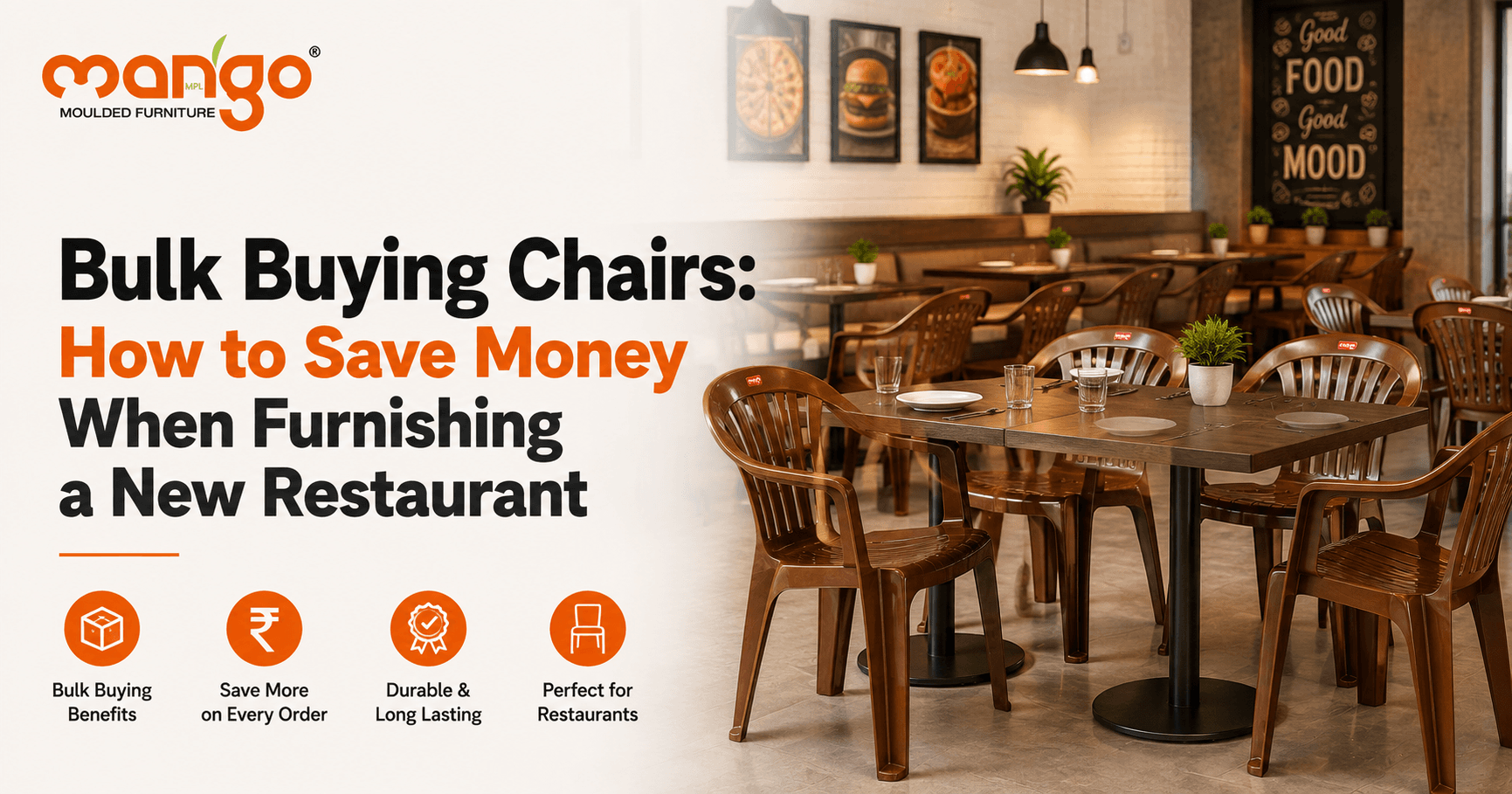
Opening a new restaurant or cafe comes with no shortage of expenses — and seating is often one of the biggest line items in your furnishing budget. The good news? Buying chairs in bulk is one of the most effective ways to cut costs without sacrificing quality. Here's how to do it strategically.
Why Bulk Buying Makes Sense for New Restaurants
When you're furnishing an entire dining room, you're not buying one or two chairs — you're buying dozens, sometimes hundreds. Purchasing in bulk offers advantages beyond just a lower per-unit price:
How to Calculate How Many Chairs You Actually Need
Before requesting quotes, nail down your exact seating count:
Having a precise number prevents both overspending on excess inventory and the higher cost of reordering small batches later.
Where to Source Bulk Restaurant Chairs
Tips for Negotiating the Best Bulk Price
Balancing Cost with Quality
Bulk pricing is only a good deal if the chairs hold up. Keep these factors in mind:
Common Mistakes to Avoid
The Bottom Line
Bulk buying is one of the smartest ways to stretch your furnishing budget when opening a new restaurant. By accurately calculating your seating needs, sourcing from the right suppliers, and negotiating strategically, you can furnish your entire space with quality, durable chairs — all while keeping more of your opening budget for other priorities like kitchen equipment, staffing, or marketing.
Chairs
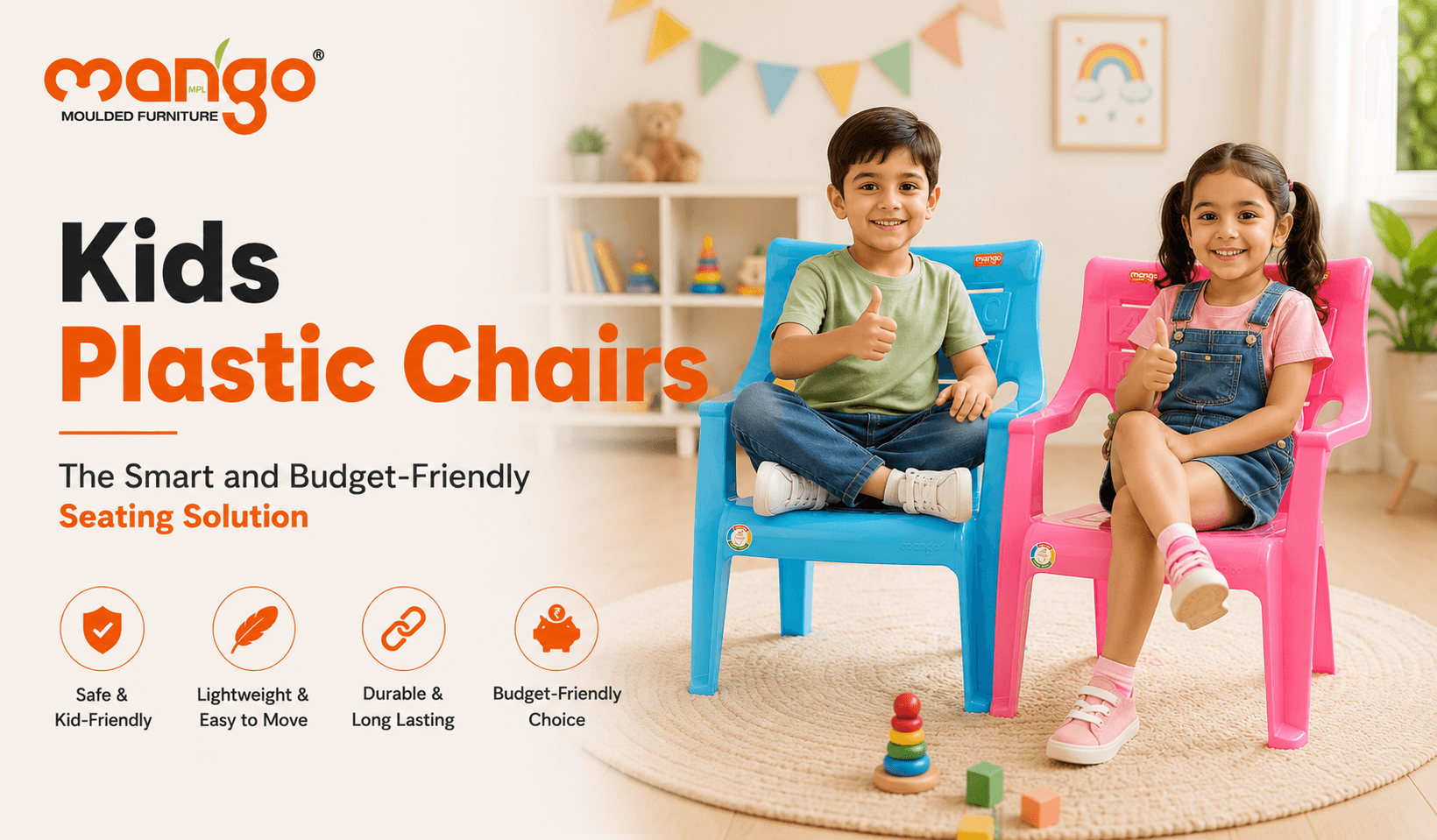
Kids plastic chairs have become a popular seating choice for homes, schools, day-care centers, play areas, restaurants, and event spaces. They are lightweight, easy to maintain, durable, and available in a variety of attractive colors and designs. For parents and institutions looking for practical seating without spending a fortune, plastic chairs for kids can be an excellent solution.
Unlike bulky wooden or metal chairs, children's plastic chairs are designed to be easier for young children to use and move. Their lightweight construction also makes them convenient for parents, teachers, and caregivers who frequently need to rearrange seating.
Whether you need a chair for your child's study corner, dining area, classroom, birthday party, or playroom, choosing the right kids plastic chair can provide a combination of comfort, safety, durability, and affordability.
What Are Kids Plastic Chairs?
Kids plastic chairs are compact chairs specifically designed to accommodate children. They are generally manufactured using durable plastic materials and are available in different sizes, colors, shapes, and designs.
The best children's plastic chairs are designed with a child's comfort and usability in mind. Depending on the model, they may feature a supportive backrest, rounded edges, stable legs, and an ergonomic seating shape.
Because they are easy to clean and maintain, plastic chairs for kids are particularly useful in environments where spills, food, paint, and other messes are common.
Why Choose Kids Plastic Chairs?
Parents often want furniture that is safe, practical, attractive, and reasonably priced. Kids plastic chairs can meet all these requirements.
Here are some of the key reasons why they are becoming increasingly popular.
1. Affordable Seating Solution
One of the biggest advantages of kids plastic chairs is their affordability. Compared with many wooden or premium children's furniture options, plastic chairs can provide comfortable seating at a lower cost.
This makes them particularly useful when multiple chairs are required for:
For institutions that need dozens or even hundreds of chairs, choosing affordable plastic chairs can make a significant difference to the overall furniture budget.
2. Lightweight and Easy to Move
Children frequently move their chairs around while playing, studying, drawing, or eating. A heavy chair can be difficult for a child to handle.
Lightweight kids chairs are easier to move and rearrange. Parents and teachers can also quickly organize classrooms, activity areas, or party spaces.
This flexibility makes children's plastic chairs useful for both residential and commercial environments.
3. Easy to Clean
Children can be messy. Food spills, juice, crayons, paint, dust, and other substances can quickly make furniture dirty.
Plastic surfaces are generally easier to wipe and clean than many fabric or wooden surfaces. In most cases, regular cleaning with an appropriate mild cleaning solution and soft cloth is sufficient.
This makes plastic chairs for children a practical option for classrooms, dining areas, playrooms, and daycare facilities.
4. Durable for Everyday Use
Good-quality plastic furniture can withstand regular everyday use when it is properly designed and manufactured.
Children's chairs may be used frequently, so durability is an important factor when selecting furniture. Look for chairs made from quality materials with a stable structure and properly finished edges.
For schools and daycare centers, durability is particularly important because the furniture may be used by different children every day.
5. Available in Attractive Colors
Children are naturally attracted to bright and cheerful colors. Plastic chairs are available in a wide range of colors and designs, allowing parents and institutions to create a fun and engaging environment.
Colorful children's chairs can work particularly well in:
Different colors can also be used to organize activity zones or create a visually appealing children's space.
6. Space-Friendly Design
Children's furniture needs to fit comfortably into smaller spaces. A large adult-sized chair may take up unnecessary room and may not be appropriate for a young child.
Compact kids plastic chairs can be a better option for children's rooms, classrooms, and activity areas where space needs to be used efficiently.
Where Can Kids Plastic Chairs Be Used?
Kids plastic chairs are versatile enough for a variety of environments.
At Home
Parents can use children's plastic chairs in bedrooms, study areas, dining spaces, playrooms, and balconies or other suitable areas.
A dedicated chair can give children their own comfortable place for drawing, reading, playing, or studying.
In Schools and Preschools
Schools and preschools require furniture that can withstand frequent use while remaining easy to maintain.
Plastic children's chairs can be suitable for classrooms, activity rooms, libraries, and learning centers when the size and design are appropriate for the children using them.
At Daycare Centers
Daycare furniture needs to be practical and easy to clean. Since young children can frequently spill food or create messes during activities, easy-maintenance furniture can save time for caregivers.
At Birthday Parties and Events
Planning a children's birthday party often requires additional seating. Lightweight plastic chairs can make it easier to arrange and rearrange seating according to the event setup.
Restaurants and Cafes
Family restaurants and cafes can consider dedicated children's seating to improve the dining experience for families with young children.
How to Choose the Best Kids Plastic Chair?
Not every children's chair is the same. Before buying, consider several important factors.
1. Check the Size
The chair should be appropriate for the child's age, height, and intended use.
A chair that is too high can make it uncomfortable for a child to sit properly, while one that is too small may not provide sufficient support.
2. Look for a Stable Base
Stability is an important consideration for children's furniture. Look for a chair with a well-balanced structure and stable legs.
Avoid choosing a chair solely because it looks attractive. The construction and stability should be equally important.
3. Consider Rounded Edges
Children's furniture should ideally have smooth, properly finished surfaces and edges. Rounded or smooth edges can help reduce the risk of accidental bumps and scratches.
4. Choose Quality Plastic
The material used to manufacture the chair can influence its durability and overall performance.
When comparing chairs, consider the quality of construction, finish, thickness, and overall build rather than focusing only on the price.
5. Think About Maintenance
A chair that is easy to clean can be more convenient for parents, teachers, and caregivers.
For children's furniture, a wipe-clean surface is often a practical feature.
6. Consider the Intended Environment
A chair for a home study area may have different requirements from chairs intended for a preschool or daycare.
Think about:
Kids Plastic Chairs vs. Wooden Chairs
Both plastic and wooden chairs can be useful, but they have different characteristics.
| Feature | Kids Plastic Chairs | Wooden Kids Chairs |
| Price | Generally budget-friendly | Can be more expensive |
| Weight | Usually lightweight | Often heavier |
| Cleaning | Easy to wipe | May require more care |
| Colors | Wide range available | Often limited by finish |
| Maintenance | Generally low | May require periodic maintenance |
| Mobility | Easy to move | Can be harder to move |
| Design options | Many modern designs | Traditional and premium designs |
For parents and institutions prioritizing affordability, easy maintenance, and lightweight furniture, plastic chairs can be an attractive choice.
Are Kids Plastic Chairs Safe?
Safety should always be a priority when purchasing children's furniture.
A suitable kids chair should be stable, appropriately sized, and made with a well-finished construction. Parents should select chairs according to the child's age and size and use them on an appropriate, stable surface.
It is also important to follow the manufacturer's recommended weight capacity and usage instructions.
Regularly inspect the chair for cracks, sharp edges, loose components, or other signs of damage. Damaged furniture should not be used.
How to Maintain Kids Plastic Chairs
Maintaining children's plastic chairs is relatively simple.
Follow these basic practices:
Proper care can help extend the useful life of your children's furniture.
Why Kids Plastic Chairs Are a Smart Investment
Furniture for children needs to balance practicality with affordability. Parents do not necessarily need expensive furniture to create a comfortable and functional space for their children.
A well-designed plastic chair can provide several benefits at once:
Affordable + Lightweight + Easy to Clean + Colorful + Practical + Space-Friendly
This combination makes kids plastic chairs a sensible choice for homes as well as institutions.
For schools and daycare centers, the cost advantage becomes even more important because furniture is often purchased in bulk.
Why Buy Kids Plastic Chairs Online?
Shopping for children's furniture online allows parents and businesses to compare different models, sizes, colors, designs, and prices before making a purchase.
Before ordering, check:
Always compare the complete product specifications rather than selecting a chair based only on its appearance or price.
Kids Plastic Chairs from Mango Chairs
If you are looking for practical and attractive kids plastic chairs, Mango Chairs offers plastic furniture designed for different everyday seating requirements.
Whether you are furnishing a children's room, school, preschool, daycare center, activity area, or event space, choosing the right chair can help create a comfortable and functional environment.
Explore the available children's plastic seating options from Mango Chairs and choose a design that matches your space, requirements, and budget.
Frequently Asked Questions About Kids Plastic Chairs
What are kids plastic chairs used for?
Kids plastic chairs are designed for children's seating at homes, schools, preschools, daycare centers, playrooms, restaurants, events, and activity centers.
Are plastic chairs suitable for children?
Yes, appropriately designed and correctly sized plastic chairs can be suitable for children. Look for stable construction, smooth edges, suitable dimensions, and a manufacturer-recommended weight capacity.
Are kids plastic chairs durable?
Quality plastic chairs can be durable enough for regular everyday use. Durability depends on the material, manufacturing quality, design, usage, and maintenance.
Are plastic chairs easy to clean?
Yes. One of the major benefits of plastic chairs is that their surfaces are generally easy to wipe and clean, making them practical for children's environments.
What should I check before buying a kids plastic chair?
Check the chair's dimensions, material, stability, weight capacity, age suitability, construction quality, surface finish, and cleaning requirements before purchasing.
Can kids plastic chairs be used in schools?
Yes. Children's plastic chairs can be used in schools, preschools, and daycare centers when they are appropriately sized and designed for the children using them.
Are kids plastic chairs affordable?
Generally, plastic chairs are considered a budget-friendly furniture option compared with many wooden or premium children's seating alternatives. The final price depends on the design, material, size, and brand.
Can I buy kids plastic chairs online?
Yes. Many furniture brands offer children's plastic chairs online, allowing customers to compare product specifications, designs, prices, and reviews before purchasing.
Final Thoughts
Choosing furniture for children does not have to be complicated or expensive. Kids plastic chairs offer a practical combination of affordability, lightweight construction, easy maintenance, attractive designs, and everyday usability.
From a child's study corner to a preschool classroom, daycare center, birthday party, or family restaurant, the right children's chair can make the space more comfortable and functional.
When purchasing, focus on size, stability, material quality, construction, comfort, and intended use rather than choosing a chair based only on its appearance or price.
For parents, schools, and businesses searching for a practical seating solution, a well-designed plastic chair for kids can be a smart and budget-friendly addition to any c