
My Cart
ProductTotal

Oops, your cart is empty.
My Cart
ProductTotal
Oops, your cart is empty.
Oops, your cart is empty.
Oops, your cart is empty.

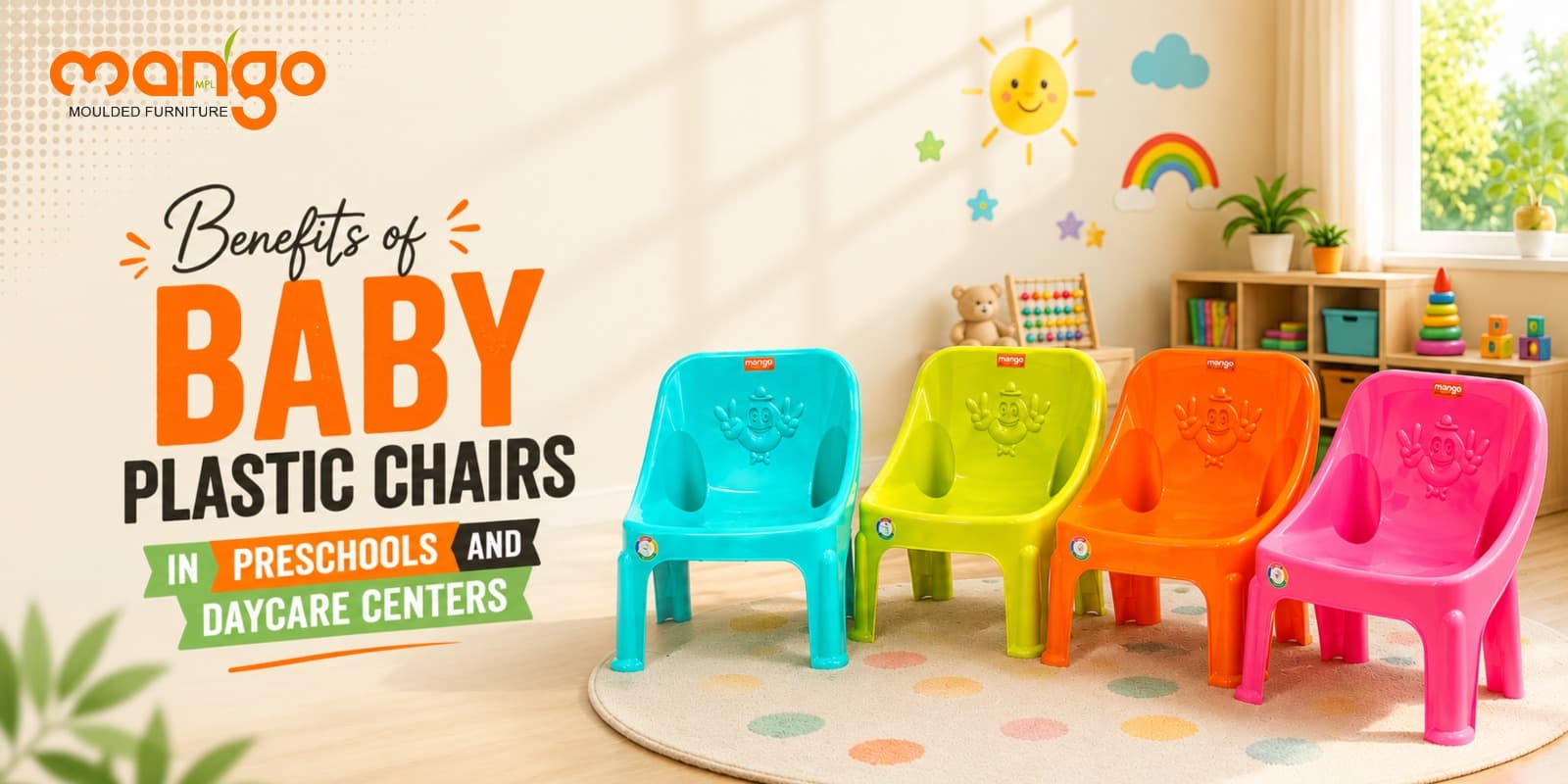
Early childhood learning environments are designed to help children grow, explore, and develop essential life skills. Every piece of classroom furniture plays a role in creating a safe, engaging, and comfortable space, and seating is no exception. Among the many options available, baby plastic chairs have become a preferred choice for preschools, daycare centers, nurseries, play schools, and early learning classrooms.
These chairs are lightweight, durable, child-friendly, and easy to maintain, making them ideal for daily use in educational settings. Whether children are participating in art activities, story sessions, group discussions, or mealtime, properly designed seating contributes to better posture, improved focus, and a safer learning experience.
This guide explores the many benefits of baby plastic chairs and explains why they continue to be one of the most practical investments for childcare institutions.
Why Furniture Matters in Early Childhood Education
The classroom environment directly influences a child's learning experience. Appropriate furniture helps children remain comfortable while promoting independence and confidence.
Quality seating allows children to:
Furniture that matches children's height also reduces unnecessary physical strain.
What Are Baby Plastic Chairs?
Baby plastic chairs are specially designed seating solutions for toddlers and preschool-aged children. Unlike standard chairs, they feature:
These chairs are widely used in:
Top Benefits of Baby Plastic Chairs
1. Enhanced Child Safety
Safety is the primary concern in every preschool.
Baby plastic chairs are specifically designed to reduce common classroom accidents.
Most quality chairs include:
These features help create a safer environment for active children.
2. Lightweight and Easy for Children to Move
Children enjoy performing tasks independently.
Since plastic chairs are lightweight, children can:
Teachers also spend less time rearranging classroom furniture.
3. Exceptional Durability
Preschool furniture experiences constant use every day.
Children often:
High-quality plastic chairs are built to withstand this daily wear without rusting, splintering, or cracking under normal use.
4. Easy Cleaning and Better Hygiene
Maintaining hygiene is essential in childcare environments.
Plastic surfaces are non-porous, making them easy to disinfect.
Teachers can quickly remove:
Routine cleaning requires only mild soap, water, or child-safe disinfectants.
5. Comfortable Seating for Growing Children
Comfort affects children's ability to concentrate.
Modern baby plastic chairs are designed with:
These features encourage proper sitting posture during learning activities.
6. Bright Colors Create an Inviting Classroom
Colorful classrooms stimulate children's interest and creativity.
Baby plastic chairs are commonly available in:
Teachers often use different colors for:
Bright colors also make classrooms more welcoming.
7. Stackable Design Saves Space
Space management is important, especially in smaller classrooms.
Many baby plastic chairs are stackable, allowing schools to:
Stackability also reduces storage costs.
8. Cost-Effective Investment
Educational institutions must balance quality with budget.
Plastic chairs generally offer:
Their durability often results in lower replacement costs than many alternative materials.
9. Suitable for Indoor and Outdoor Activities
Many preschools conduct activities outside the classroom.
Plastic chairs perform well in:
They are easy to carry and resistant to moisture better than many traditional materials.
10. Supports Independent Learning
Children develop confidence when they can manage classroom furniture themselves.
Lightweight chairs encourage children to:
These simple routines support independence and classroom discipline.
Safety Features to Look For
When selecting baby plastic chairs, prioritize models that include:
Always choose products that comply with applicable child furniture safety standards in your region.
Hygiene Benefits for Daycare Centers
Young children frequently come into contact with classroom furniture.
Plastic chairs simplify hygiene management because they:
Regular cleaning supports a healthier classroom environment.
Environmental Considerations
Many manufacturers now produce chairs using recyclable plastics and environmentally responsible manufacturing processes.
To improve sustainability:
Long-lasting furniture can reduce overall waste by lowering replacement frequency.
Tips for Choosing the Right Baby Plastic Chairs
Before purchasing, consider:
Age Group
Choose chairs that match children's height and age.
Weight Capacity
Select models designed for the intended users.
Material Quality
Look for high-quality, child-safe plastic with sturdy construction.
Easy Maintenance
Prefer stain-resistant, easy-to-clean finishes.
Stackability
Useful for schools with limited storage.
Warranty
A manufacturer's warranty can provide additional peace of mind.
Common Mistakes to Avoid
Avoid purchasing chairs solely based on price.
Other common mistakes include:
A thoughtful selection process helps maximize value and safety.
Quick Comparison
| Feature | Baby Plastic Chairs | Wooden Chairs | Metal Chairs |
| Lightweight | ✔ | Moderate | ✘ |
| Easy Cleaning | ✔ | Moderate | ✔ |
| Rust Resistant | ✔ | ✔ | ✘ |
| Moisture Resistant | ✔ | Moderate | Moderate |
| Child-Friendly Edges | ✔ | Depends on design | Depends on design |
| Bright Colors | ✔ | Limited | Limited |
| Stackable Options | ✔ | Some models | Some models |
| Low Maintenance | ✔ | Moderate | Moderate |
Frequently Asked Questions
Are baby plastic chairs safe for preschool children?
Yes. High-quality baby plastic chairs are designed specifically for young children and typically feature rounded edges, sturdy construction, and child-friendly materials.
How long do plastic chairs last?
With proper care and normal classroom use, quality plastic chairs can provide many years of reliable service.
Can plastic chairs be used outdoors?
Yes. Many plastic chairs are suitable for both indoor and outdoor educational activities. However, prolonged exposure to harsh weather may affect appearance over time, so following the manufacturer's care recommendations is advisable.
Are plastic chairs easy to clean?
Yes. Most spills and stains can be removed using mild soap, water, or appropriate child-safe cleaning products.
What age group can use baby plastic chairs?
They are generally intended for toddlers and preschool-aged children, though the appropriate size depends on the chair model.
Do colorful chairs help children learn?
Colorful classrooms can make learning spaces more engaging and can also assist teachers with classroom organization and group activities.
Are plastic chairs better than wooden chairs?
Each material has advantages, but plastic chairs are often preferred in preschools because they are lightweight, moisture-resistant, easy to clean, and typically require less maintenance.
Can plastic chairs support daily classroom use?
Yes. Quality chairs are designed for repeated everyday use in educational settings.
How should schools store plastic chairs?
Stackable models can be stored vertically to save space when not in use.
What should buyers check before purchasing?
Consider size, safety features, material quality, stability, ease of cleaning, warranty, and suitability for the intended age group.
Conclusion
Baby plastic chairs are more than simple classroom furniture—they contribute to creating safe, organized, comfortable, and engaging learning environments. Their lightweight design, durability, ease of cleaning, and child-friendly features make them an excellent choice for preschools, daycare centers, nurseries, and early education facilities.
By selecting well-designed, high-quality chairs that match children's developmental needs, schools can enhance daily classroom experiences while making a cost-effective long-term investment. Thoughtfully chosen furniture supports children's independence, comfort, and participation, helping educators create spaces where young learners can thrive.
Your email address will not be published. Required fields are marked *